
Daphniphyllum macropodum
Daphniphyllum macropodum Miq.
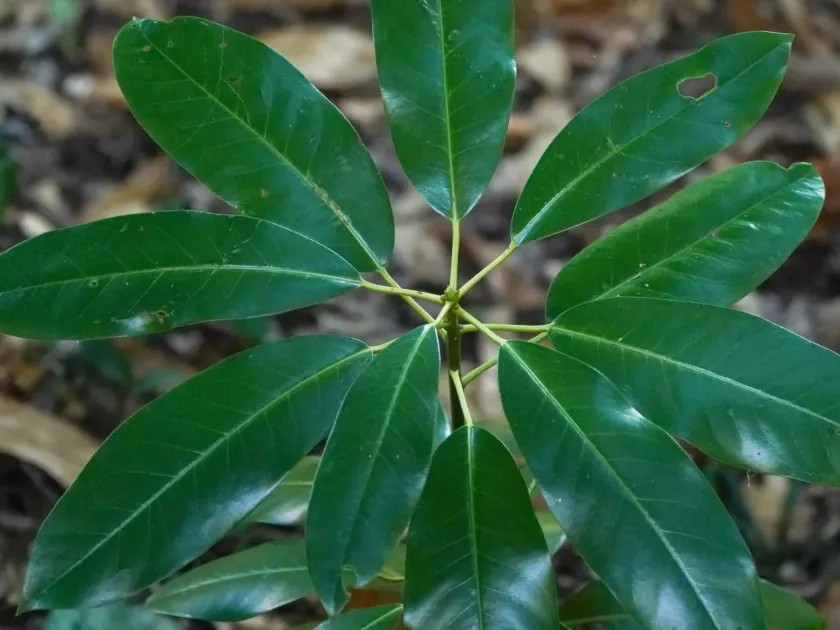
Description
Growing requirements
Daphniphyllum macropodum is a striking evergreen tree or large shrub belonging to the Daphniphyllaceae family. It is highly valued for its large, leathery, dark green leaves that provide an elegant, tropical look to temperate gardens.
Originating from East Asia, specifically Japan, China, and Korea, this species is well-adapted to humid, temperate climates. It prefers environments that mimic its natural woodland habitat, featuring dappled shade and protection from harsh winds.
The plant thrives in deep, fertile, and well-drained soils that are slightly acidic. It is essential to ensure that the planting site has good structure, avoiding waterlogged heavy clay soils that can lead to root suffocation.
Regarding climate, it prefers regions with mild winters and cool to warm summers. While it can tolerate light frosts once established, it requires protection or sheltered positions in areas with colder winters to prevent leaf damage.
Basic maintenance includes consistent watering during dry spells and the application of organic mulch around the base to retain moisture and regulate soil temperature. Pruning is generally minimal, focused on removing dead wood or shaping the canopy.
Main diseases and pests
Daphniphyllum macropodum is generally considered a robust plant with few serious health issues. However, poor drainage remains the primary threat, often resulting in root rot, which can cause foliage yellowing and decline.
Pests such as scale insects or mealybugs may occasionally infest the plant, particularly if it is kept in stagnant, poorly ventilated conditions. Monitoring the underside of leaves for signs of honeydew or insects is essential for early control.
Fungal leaf spots can occur under conditions of extremely high humidity and lack of airflow. Proper spacing during planting and selective thinning of branches help maintain healthy air circulation throughout the foliage.
Chlorosis may occur if the soil pH rises above neutral, preventing the plant from absorbing necessary micronutrients like iron. Periodic soil testing and acidification treatments effectively manage this physiological condition.
Overall, providing a site that balances shade, moisture, and soil acidity significantly reduces the risk of both biological and environmental stressors for this unique ornamental species.