
Dalrympelea pomifera
Dalrympelea pomifera
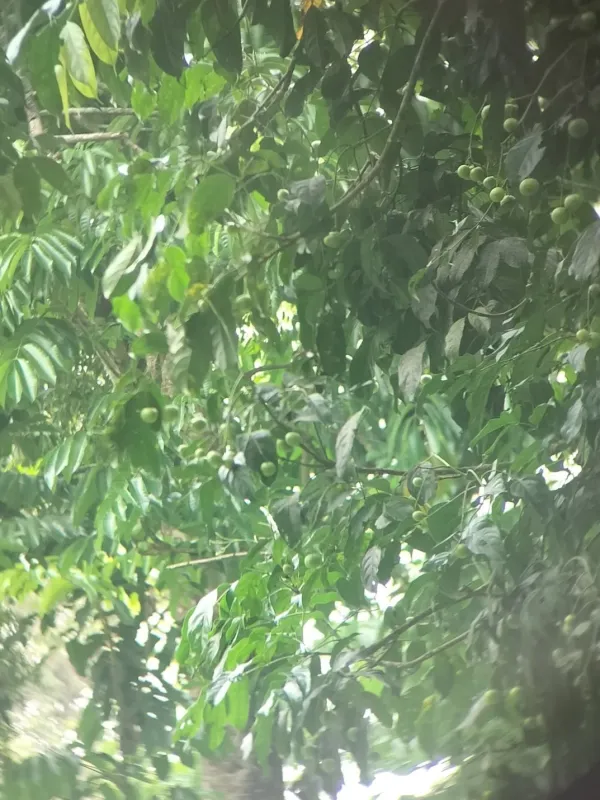
Description
Sowing dates
Reproduction of Dalrympelea pomifera in its natural habitat occurs primarily through seeds after the fruits reach maturity. In agricultural settings, the optimal time for sowing is the beginning of the rainy season when the soil moisture is sufficient to trigger germination.
Seeds require pre-treatment, such as stratification or soaking, to overcome dormancy typical of many Celastraceae species. When grown in nurseries, seeds should be sown in lightweight, well-drained substrate at a depth of about two centimeters.
The optimal germination temperature should be maintained between 24 and 28 degrees Celsius. Providing good ventilation is crucial, as excessive moisture combined with low temperatures often leads to seedling rot.
Germination is often uneven and may take several weeks. It is recommended to use individual cell trays to prevent root disturbance during the subsequent transplanting process.
Transferring seedlings to their permanent location should occur once they reach a height of 30–40 centimeters. This is a delicate phase that requires careful acclimatization to open field conditions.
Growing requirements
This plant belongs to the Celastraceae family and thrives in tropical or subtropical climates with warm temperatures throughout the year. It is extremely sensitive to frost, which limits its cultivation range to frost-free regions.
It prefers organic-rich loamy or sandy soils with a neutral or slightly acidic pH. A critical condition is the absence of a high water table, as waterlogging is detrimental to the plant's root system.
The planting site should be shielded from strong winds, which can cause mechanical damage to leaves and young branches. Dappled light is preferred, as intense midday direct sun can cause leaf scorch in sensitive specimens.
Irrigation should follow a moderate approach: the soil should remain consistently moist but never waterlogged. During drought periods, mulching around the base is recommended to conserve soil moisture and protect roots from heat.
Fertilization is best performed in spring during the phase of active vegetative growth. Balanced mineral complexes supplemented with micronutrients are recommended to support a healthy and dense canopy.
Main diseases and pests
Fungal leaf diseases are the primary threats, especially in high-humidity conditions. Prevention relies on thinning the canopy regularly to ensure adequate airflow and reduce fungal spore accumulation.
Insect pests, specifically scale insects and aphids, are known to feed on young saplings. Systemic insecticides approved for horticultural use are effective in controlling these outbreaks if detected early.
Root rot may occur due to improper irrigation practices. Fungicides containing copper are effective treatments, combined with strict monitoring of soil drainage properties.
Nematode infestations can occur if the plant is grown on the same plot for an extended duration. Regular inspections and adherence to crop rotation practices are vital for long-term health.
Pest damage is often localized; therefore, periodic monitoring allows for targeted treatments, reducing the need for widespread pesticide application.
Harvesting
Economic use of the species centers on its fruits, which are harvested manually upon reaching biological maturity. Avoiding over-ripening is essential to maintain quality and market value.
Harvesting is typically conducted in several passes because fruits do not ripen simultaneously on the tree. This staggered approach allows for a continuous supply of fresh produce over several weeks.
Harvested fruits require gentle handling due to their susceptibility to bruising. Using soft-padded containers is necessary to preserve the integrity of the harvest during transit to processing facilities.
Post-harvest cooling is recommended to slow metabolic processes and extend shelf life. Proper storage conditions are essential for maintaining the taste and nutritional profile of the fruit.
For industrial applications, fruits serve as raw materials for food or pharmaceutical industries, necessitating high quality standards and strict control over agricultural chemical residues.