
Pompom tree
Dais cotinifolia
Description
Growing requirements
The Pompom tree (Dais cotinifolia) is an attractive ornamental shrub or small tree belonging to the Thymelaeaceae family. It is native to South Africa, where it grows in woodland margins and on rocky slopes.
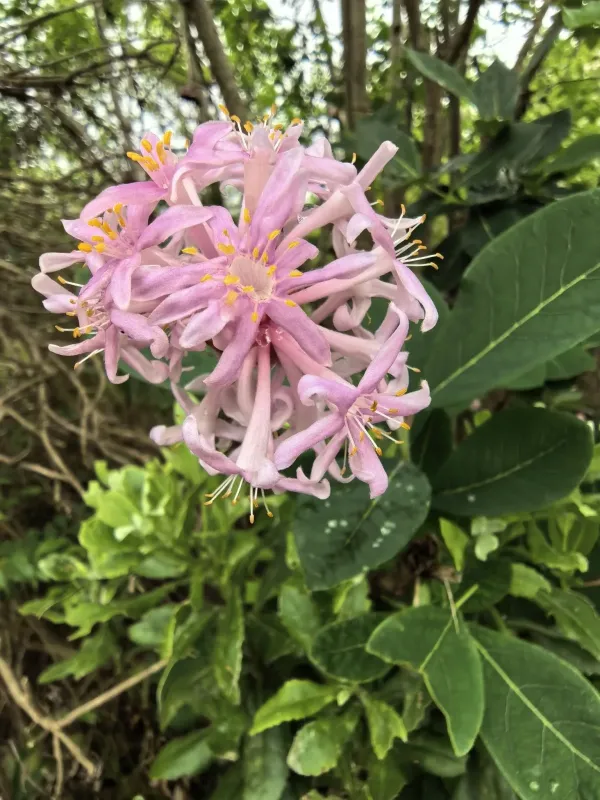
Climatically, the plant thrives in areas with mild winters and warm summers. It requires a sunny position to produce its characteristic pink, pompom-like flower heads, although in hotter regions, light dappled shade during the afternoon is beneficial.
Soil requirements for Dais cotinifolia involve deep, fertile, and well-drained soil. It performs best in neutral to slightly acidic conditions, where organic matter is readily available to support vigorous branch development.
Agrotechnical practices should focus on maintaining consistent soil moisture, especially during the establishment phase. While the tree shows moderate drought tolerance once mature, supplemental irrigation during prolonged dry spells ensures a more prolific flowering display.
In landscaping, the Pompom tree is utilized for its high aesthetic value. It is often planted as a specimen tree in parks or residential gardens, appreciated for its neat, rounded habit and long-lasting floral impact in late spring and summer.
Main diseases and pests
Common pests include aphids and scale insects, which tend to infest the soft new growth of the plant. Integrated pest management, including regular monitoring and the use of horticultural oils, is effective in maintaining plant health.
Root pathogens can become a significant issue if the drainage is inadequate. Overwatering combined with poor soil aeration promotes fungal infections that can rapidly compromise the health of the root system and the overall viability of the tree.