
Dactylocladus stenostachys
Dactylocladus stenostachys
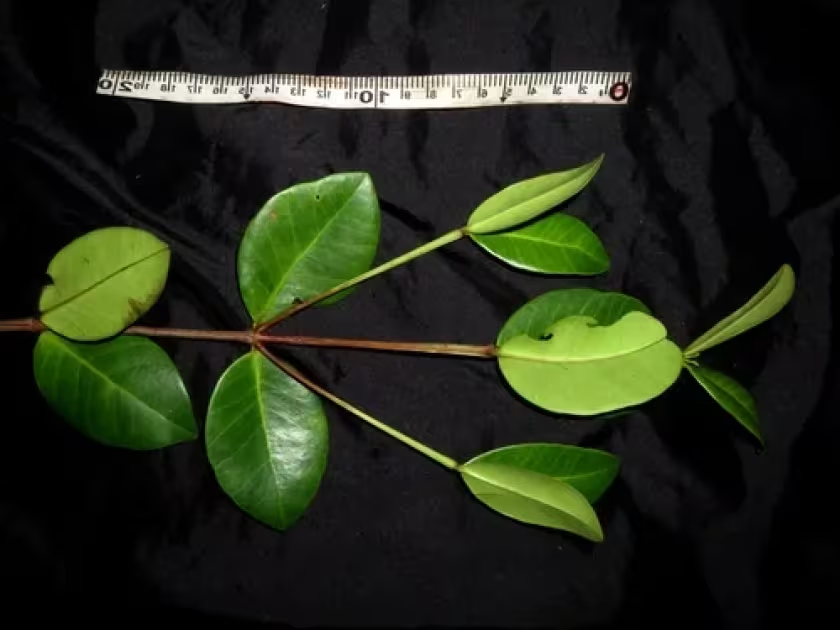
Description
Growing requirements
Dactylocladus stenostachys is a unique evergreen tree species belonging to the Crypteroniaceae family. It is native to the tropical peat swamp forests of Southeast Asia, predominantly found in the regions of Borneo, including Malaysia and Brunei.
The tree is strictly adapted to waterlogged, acidic peat environments. Its root system has evolved specific physiological mechanisms to survive in anaerobic conditions, allowing it to dominate in specific low-lying swamp forest zones.
Botanically, the species is recognized by its straight bole and specific leaf morphology. The leaves are generally coriaceous, which helps the tree maintain physiological stability despite the constant high humidity of its native rainforest habitat.
The economic value of this tree is tied to its timber. The wood is widely regarded in the regional construction and furniture sectors due to its moderate density, durability, and versatility in internal finishing and utility manufacturing.
Cultivation and management of Dactylocladus stenostachys are focused on sustainable forestry and ecosystem restoration. Since it requires specific hydrological conditions, it cannot be easily propagated in standard plantations, making habitat conservation critical for its survival.
Main diseases and pests
The primary threat to the survival of Dactylocladus stenostachys is the large-scale drainage of peatlands for palm oil plantations. Draining the land removes the specific water table the tree needs to survive, causing widespread mortality across native stands.
Pathogenic fungi represent a significant threat to tree health, especially when the forest canopy is disturbed. These pathogens exploit physical damage to the bark or weakened root systems, significantly impacting the growth potential of the trees.
Pests, particularly wood-boring insects, represent a constant pressure on the trees, especially during seasonal droughts. These infestations can degrade the quality of the timber, making it unsuitable for commercial use and further stressing the forest ecosystem.
Wildfires in peat forests pose an existential threat to the population. Because the soil itself is organic and flammable, even a minor surface fire can destroy the root systems of mature trees, leading to the total loss of the local population.
Habitat fragmentation remains a critical concern for genetic diversity. As natural forest corridors are severed, the reproduction of Dactylocladus stenostachys is hindered, leaving the species vulnerable to long-term ecological shifts and local extinction.