
Daboecia cantabrica
Daboecia cantabrica (Huds.) K. Koch
Description
Growing requirements
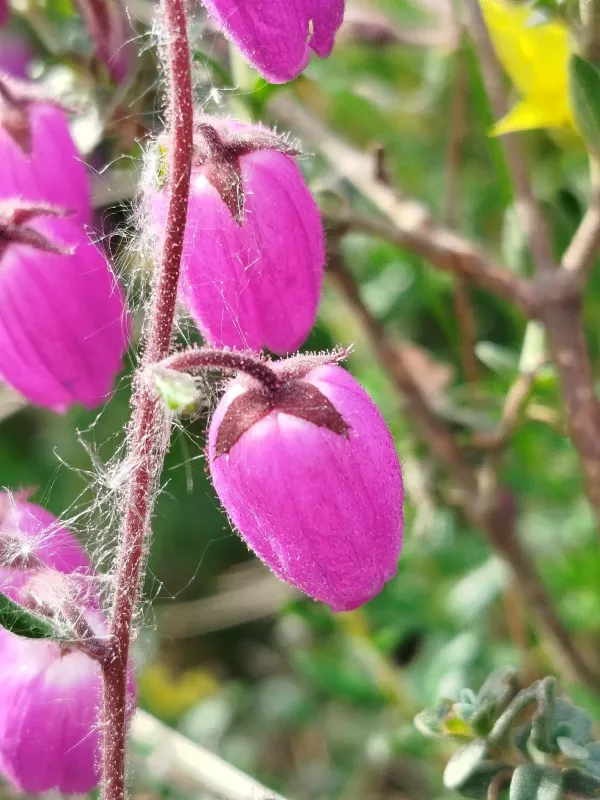
Daboecia cantabrica, commonly known as Connemara heath or Irish heath, belongs to the Ericaceae family. It is a perennial evergreen subshrub native to the Atlantic regions of Western Europe, specifically Ireland, France, and Spain.
The plant exhibits distinct botanical features such as small, ovate, glossy leaves with a white-felted underside. It produces attractive, bell-shaped flowers that range in color from purple and pink to white, blooming over a prolonged summer period.
Cultivation requires acidic soil conditions with excellent drainage properties. It thrives in locations that offer full sun to partial shade, provided the site is protected from drying winds that can cause winter leaf scorch.
The agrotechnical management involves regular mulching with organic acidic materials like pine needles or peat. Soil pH must be maintained between 4.5 and 5.5, and irrigation must be performed with lime-free water to prevent chlorosis and root damage.
In terms of practical application, Daboecia cantabrica is a staple in ornamental horticulture, particularly for creating heath gardens, borders, and rockeries. Its low-growing, dense habit makes it suitable for ground cover in specialized garden designs.
Main diseases and pests
The primary threat to Daboecia is root rot, particularly caused by Phytophthora species, which is exacerbated by waterlogged soils. To prevent this, planters must ensure high permeability and strictly avoid overhead irrigation during humid weather.
Pest issues are generally limited but can include spider mites and scale insects. Maintaining proper plant vigor through balanced but cautious fertilization and ensuring adequate spacing between plants are the most effective strategies for preventing infestations.