
Cyrtandra splendens
Cyrtandra splendens
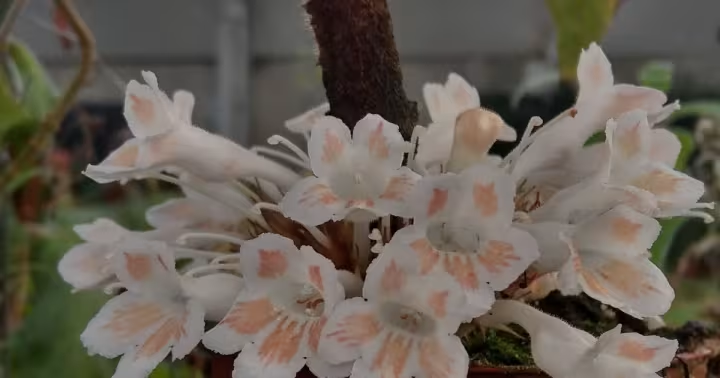
Description
Growing requirements
Cyrtandra splendens is a striking member of the Gesneriaceae family, native to the tropical high-altitude forests of the Pacific islands. Known for its aesthetic appeal, this plant requires specialized conditions that mimic its natural habitat to thrive in cultivation.
The plant demands high humidity levels, ideally ranging between 70% and 80%. In an indoor environment, it is necessary to provide supplemental misting or use humidifiers to prevent the desiccation of its delicate, glossy foliage, which is a signature feature of this species.
A well-draining, nutrient-rich substrate is essential for success. The ideal planting medium should be porous, incorporating elements like perlite, sphagnum moss, or high-quality peat, which ensures proper aeration for the root system and prevents waterlogging.
Consistent temperatures are vital for this tropical species. Maintaining a range between 20°C and 25°C is considered optimal. Any exposure to cold drafts or temperatures below 15°C can cause significant stress, resulting in foliage drop or stunted growth.
Regarding light exposure, Cyrtandra splendens prefers bright, indirect light. Direct sunlight should be strictly avoided, as it can cause severe tissue damage and bleaching of the leaves. Eastern or northern exposures are typically the best locations for this plant.
Main diseases and pests
Root rot is the most common threat to this plant, often triggered by poor drainage or overwatering. Using water that is too cold or contains high mineral content can also compromise the plant's health, making it vulnerable to soil-borne pathogens.
Spider mites represent a major pest risk, especially in environments where air circulation is poor and humidity levels fluctuate. Regular inspection of the underside of the leaves is recommended to detect early signs of infestation.
Mealybugs can also infest the plant, settling in the leaf axils. If left untreated, they can weaken the plant and lead to secondary fungal infections. Mechanical removal combined with gentle insecticidal soap is generally effective for control.
Botrytis, or gray mold, can affect the plant during cooler or overly humid seasons if airflow is insufficient. Ensuring good ventilation around the plant is a critical preventative measure against these types of fungal outbreaks.
Overall, maintaining the plant's natural vigor through balanced feeding and precise environmental control remains the best defense against pests and diseases. Cyrtandra splendens is not an overly aggressive plant, and its slow growth requires patience and careful management.