
Cynoglossum pustulatum
Cynoglossum pustulatum
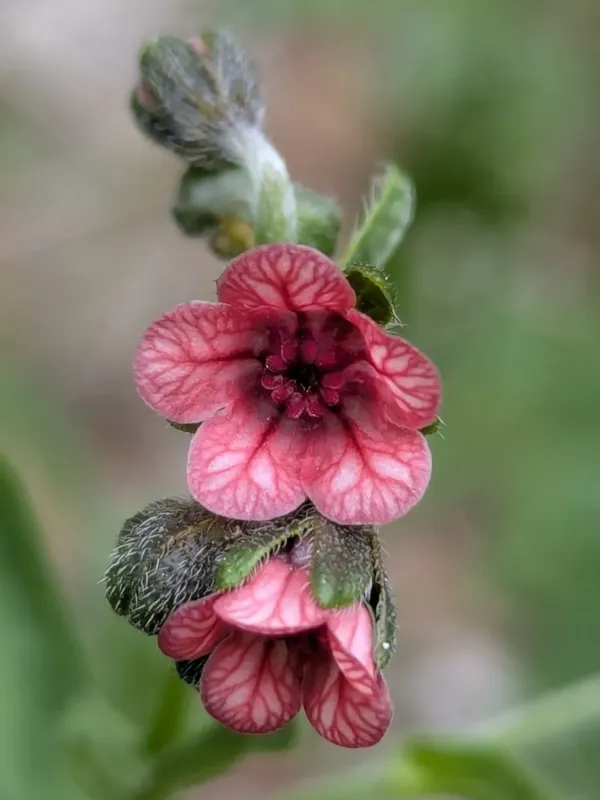
Description
Growing requirements
Cynoglossum pustulatum is a perennial herbaceous plant belonging to the Boraginaceae family. The plant is botanically noted for the pustulate (blister-like) structures on its leaf surfaces, which provide a distinct texture and serve as an important taxonomic feature.
The native range of this species is centered around Mediterranean habitats, typically found in dry, rocky, or calcareous landscapes. It is well-adapted to environments characterized by warm, dry summers and mild, wet winters.
Soil requirements for optimal growth include excellent drainage and a neutral to alkaline pH. The plant thrives in full sun exposure, which is necessary to maintain its metabolic activities and structural integrity.
In cultivation, this species requires minimal irrigation once established, as its deep taproot system is highly efficient at extracting moisture from soil layers. Over-watering must be avoided to prevent root diseases.
Maintenance involves routine weeding during the initial establishment phase, as the plant grows relatively slowly in its first year. Proper aeration of the topsoil is recommended to encourage root health and vigor.
Main diseases and pests
The primary threats to Cynoglossum pustulatum crops are fungal pathogens, particularly root rot, which is triggered by excessive soil moisture and poor ventilation. Maintaining a dry root zone is the most effective preventative measure.
Pests such as aphids and various leaf-chewing insects can compromise plant health during periods of rapid leaf development. Integrated pest management strategies are advised to keep populations below economic injury levels.
Powdery mildew represents another common concern, especially when humidity levels fluctuate frequently. Cultural practices, such as ensuring adequate spacing between individual plants, can significantly reduce the incidence of this fungal disease.
Soil-borne nematodes can also impact the vigor of the plant. Crop rotation is essential when cultivating this species, particularly in areas where other Boraginaceae species have been grown previously.
Weed competition is a significant threat during the early growth stages. Keeping the field clear of invasive plants ensures that Cynoglossum pustulatum receives adequate nutrients and light, promoting stronger survival rates.