
Cynoglossum microglochin
Cynoglossum microglochin
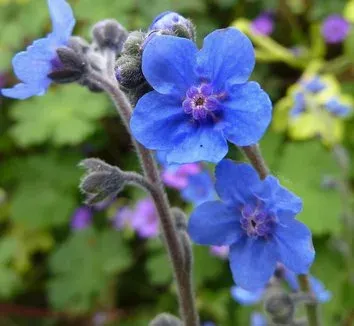
Description
Growing requirements
Cynoglossum microglochin is a herbaceous plant belonging to the Boraginaceae family. Originally native to the mountain ranges of Central Asia, it has evolved to thrive in rocky environments and regions with distinctive altitude-related climate fluctuations.
The plant features a prominent taproot and stems covered with tiny prickles, which are part of its defensive adaptations. Its morphological structure allows it to maintain water balance efficiently, making it well-suited for regions where soil moisture is limited during the summer season.
Regarding soil requirements, the plant demands excellent drainage. Loamy or sandy soil types with a neutral pH provide the best results, whereas waterlogged or heavy compacted clay soils should be strictly avoided to prevent root system failure.
Climatic adaptability is one of its strong suits, as the plant is cold-hardy and can withstand winter temperatures well. However, for maximum growth, it requires an open, sunny exposure throughout the growing season to ensure proper vegetative development.
Agricultural management requires early-stage weed control, as the seedlings are delicate. Once the plant is established, it becomes quite robust, requiring minimal intervention regarding fertilization, provided the soil was initially prepared with organic matter.
Main diseases and pests
The primary threats to Cynoglossum microglochin include fungal infections like powdery mildew, which thrive in conditions of high humidity and poor air circulation within the canopy of the field.
Insect pests, such as various species of weevils and aphids, may occasionally attack the foliage. Early detection through regular field scouting is the most effective way to prevent significant economic damage to the crop.
Root rot, driven by stagnant water or pathogen-rich soil, represents a lethal threat to the crop. Proper irrigation scheduling and good field drainage are critical to mitigating these risks throughout the growth cycle.
Crop rotation is essential for the longevity of the field; it is highly recommended not to plant species of the Boraginaceae family on the same plot for at least several years to break the disease cycle.
Integrated pest management, including the use of biological control agents, is recommended to ensure the quality of the harvested biomass, especially if the crop is destined for pharmaceutical use.