
Cymbocarpum anethoides
Cymbocarpum anethoides
Description
Growing requirements
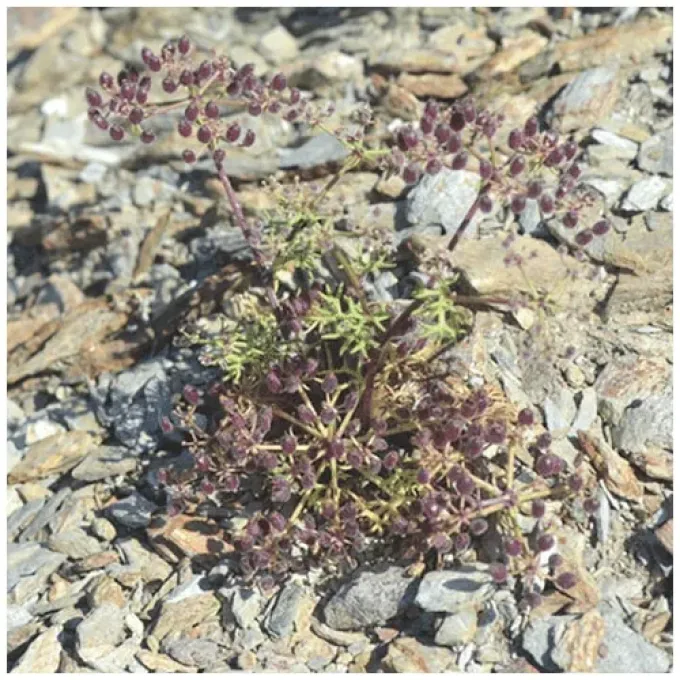
Cymbocarpum anethoides is a distinctive herbaceous perennial belonging to the Apiaceae (Umbelliferae) family. It is known for its delicate, dill-like foliage and aromatic properties.
Native to the arid and semi-arid regions of Central Asia and the Caucasus, this plant thrives in environments characterized by long periods of sunlight and well-drained soils.
To successfully cultivate this species, farmers must provide ample sunlight. The plant is highly drought-tolerant, making it suitable for areas where irrigation resources are limited.
Soil requirements are relatively modest; the plant prefers alkaline or neutral, rocky, or sandy loam soils that prevent water stagnation, which is critical for its survival.
The economic value of Cymbocarpum anethoides lies in its essential oil profile. It serves as a niche crop for specialized sectors interested in medicinal and culinary aromatic compounds.
Main diseases and pests
The most common threats to Cymbocarpum anethoides are fungal infections, specifically root rot, which typically occur when the soil remains waterlogged for extended periods.
Powdery mildew can also affect the foliage during periods of high humidity and poor air circulation, reducing the overall vitality of the plant.
Pest pressures are generally related to sap-sucking insects like aphids, which tend to aggregate on the tender stalks and developing flower umbels.
Integrated pest management strategies are recommended, focusing on maintaining dry, well-ventilated crop stands to prevent pathogen establishment.
Farmers should conduct regular field inspections to ensure that any pest infestations are addressed early before they impact the essential oil content.