
Cylindrocline lorencei
Cylindrocline lorencei
Description
Growing requirements
Cylindrocline lorencei is an exceptionally rare woody plant belonging to the Asteraceae family. This species is a narrow endemic native to the island of Mauritius, where it once flourished within isolated high-altitude mountain forest ecosystems.
The plant thrives in specific ecological niches characterized by high atmospheric humidity and stable temperatures. It historically required well-drained, nutrient-rich volcanic soils, which are typical of the rugged mountain ridges of the island.
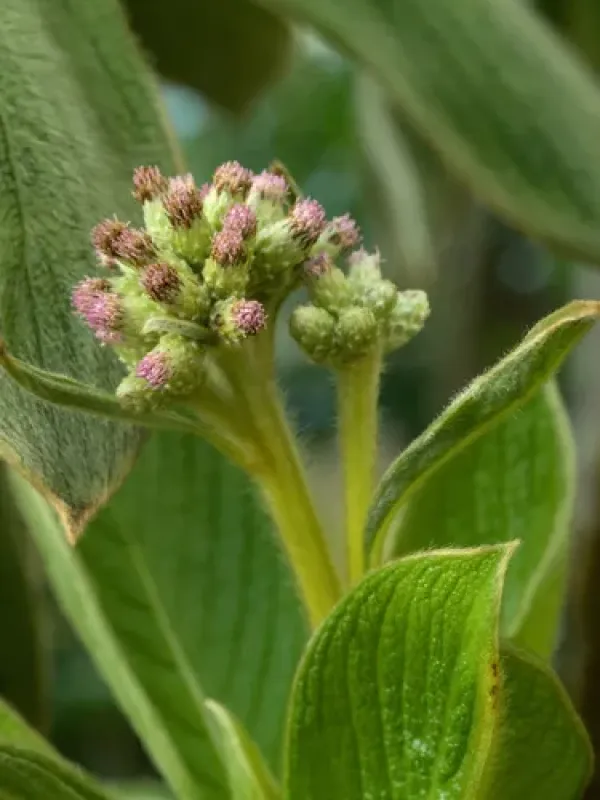
Botanically, the species is distinguished by its shrub-like growth habit and dense pubescence on its foliage. This physical trait is an adaptive mechanism, providing protection against dehydration in the intense light conditions of its tropical habitat.
Currently, the species is considered extinct in the wild, and all living specimens are maintained within specialized botanical gardens. Cultivation efforts rely heavily on sophisticated greenhouse management and strictly controlled environmental parameters to ensure survival.
The economic and practical significance of this plant is restricted to biodiversity conservation and scientific research. Agronomic practices are focused on ex-situ propagation and the development of successful acclimatization protocols to prevent the species from total loss.
Main diseases and pests
The primary threat that pushed this species to the brink of extinction was the introduction of aggressive invasive plants in Mauritius. These non-native species outcompeted the endemic flora for light, space, and soil nutrients, leading to habitat degradation.
In greenhouse settings, the species is highly susceptible to root diseases caused by improper moisture management or stagnant air. Maintaining a perfect balance in the substrate composition is crucial to prevent fungal infections that lead to rapid root rot.
Pests such as mealybugs and spider mites pose a constant threat to the health of the plant, especially during the early stages of growth. Because the species is so sensitive, the use of harsh chemical pesticides is typically avoided in favor of biological controls.
The species lacks strong natural resistance to common ornamental plant diseases, which requires strict phytosanitary measures within conservation facilities. Any disruption in the cultivation protocol can lead to the rapid spread of infections among the small population.
Successful management of these plants involves constant monitoring and the use of sterile laboratory techniques for propagation. Specialized care remains the only way to preserve the genetic integrity of this unique member of the Asteraceae family.