
Cyclocybe cylindracea
Cyclocybe cylindracea (DC.) Vizzini & Angelini
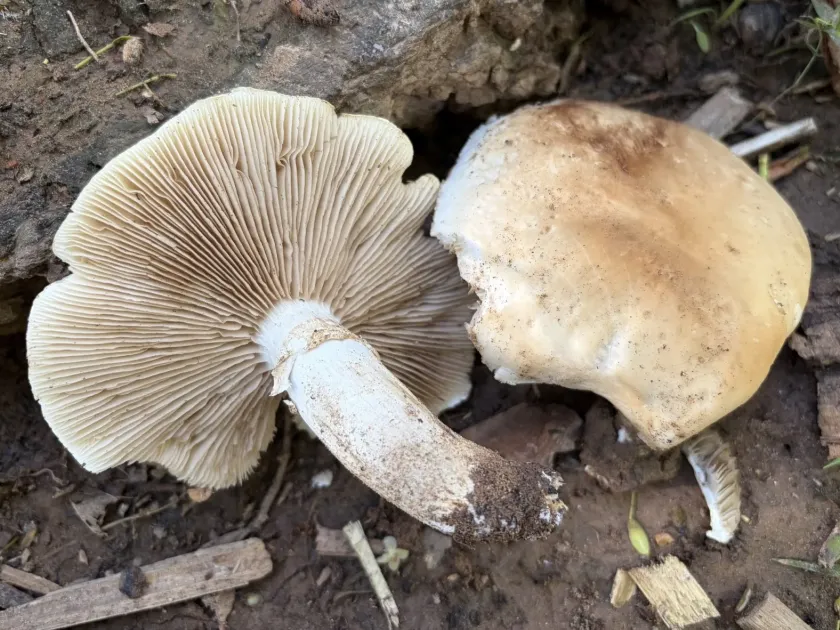
Description
Sowing dates
Cyclocybe cylindracea, commonly known as the poplar mushroom, is a saprotrophic fungus widely cultivated for culinary use. The cultivation process begins with the inoculation of a prepared substrate with high-quality mycelium in a climate-controlled facility.
For outdoor or extensive cultivation on logs or stumps, inoculation is typically carried out in the spring, specifically during April or May. This timing ensures that the mycelium establishes itself within the wood before the cold season arrives.
Intensive farming utilizes substrates based on hardwood sawdust, cereal straw, or sunflower husks. Maintaining sterile conditions during the inoculation phase is critical to prevent contamination by undesirable mold spores.
The incubation period, where the mycelium fully colonizes the substrate, lasts between 30 and 45 days. During this time, it is essential to maintain a constant temperature between 22 and 26 degrees Celsius to ensure robust mycelial growth.
Once the substrate block is fully colonized, it is moved to a fruiting chamber where exposure to light and controlled ventilation triggers the development of the mushroom primordia.
Growing requirements
Belonging to the family Strophariaceae, this mushroom naturally grows on the wood of deciduous trees like poplars and willows. It possesses highly efficient enzymatic systems that allow it to decompose lignified plant tissue rapidly.
A relative humidity level of 85–95% is vital for both mycelial development and the growth of fruiting bodies. Sudden drops in humidity can cause the young mushrooms to dry out or fail to develop properly.
The optimal temperature for fruit body development ranges from 16 to 22 degrees Celsius. Temperatures above 28 degrees Celsius should be avoided as they can inhibit growth and increase the risk of bacterial infections.
Adequate ventilation is necessary throughout the growing cycle to prevent the accumulation of carbon dioxide. High levels of CO2 can cause the mushrooms to develop abnormally long stems and small caps.
The substrate should maintain a pH level between 5.5 and 6.5. Incorporating nitrogen-rich additives, such as wheat bran, at about 15% of the substrate mass significantly improves the nutritional quality and overall productivity of the crop.
Yield
The yield of Cyclocybe cylindracea is directly dependent on the nutritional content of the substrate and adherence to environmental control parameters. Generally, one kilogram of substrate can yield 200–300 grams of fresh mushrooms.
Production typically occurs in distinct flushes. It is essential to manage the gaps between these flushes by allowing the mycelium time to recover while maintaining moisture levels within the substrate blocks.
When using intensive cultivation methods, the biological efficiency, which is the ratio of fresh mushrooms to dry substrate weight, can reach 60–80%. This makes the crop highly productive for commercial farmers.
In outdoor or less intensive settings, the yields are usually lower and more spread out over the growing season, as they are heavily influenced by natural weather fluctuations and external temperature changes.
To maximize yields, it is important to replenish the moisture in the substrate blocks after every flush, as the formation of a large number of fruiting bodies consumes a significant amount of the substrate's internal water content.
Main diseases and pests
The main pests of this crop include fungus gnats and sciarids, whose larvae feed on the mycelium and damage the stems of developing mushrooms. Proactive pest management includes using fine mesh screens on all ventilation inlets.
The most common and dangerous disease is contamination by competitive molds, particularly Trichoderma. These molds can colonize and destroy a substrate block within a few days if sanitation protocols are neglected.
Bacterial rot, often caused by over-spraying or poor air circulation, manifests as dark, mushy spots on the caps. This condition significantly reduces the quality and marketability of the produce.
While viral diseases are less common, they can lead to strain degeneration, resulting in decreased size, lower yield, and poor overall mushroom structure across subsequent growing cycles.
- Strict adherence to sanitation and hygiene protocols.
- Use of certified, high-quality mycelium spawn.
- Regular monitoring and inspection of substrate blocks.
- Prompt removal and disposal of contaminated materials.
Harvesting
The ideal time to harvest is when the mushroom cap is still partially closed, and the veil under the cap is stretched but intact. This ensures the best culinary quality and an appealing visual presentation.
Mushrooms should be carefully cut at the base or gently twisted from the substrate. It is important to minimize disturbance to the surface of the substrate block to maintain its integrity for subsequent flushes.
Once harvested, the mushrooms should be cooled to 2–4 degrees Celsius immediately. Proper cold storage helps maintain their firm texture and freshness for a longer shelf life.
Under appropriate cold storage conditions, fresh mushrooms can remain in good quality for up to 5–7 days, making them suitable for distribution to local markets.
Cyclocybe cylindracea is highly regarded in the culinary world for its firm, meaty texture and pleasant, distinct aroma, which remains stable through various cooking methods like stir-frying or pickling.