
Cyanus cyanoides
Cyanus cyanoides
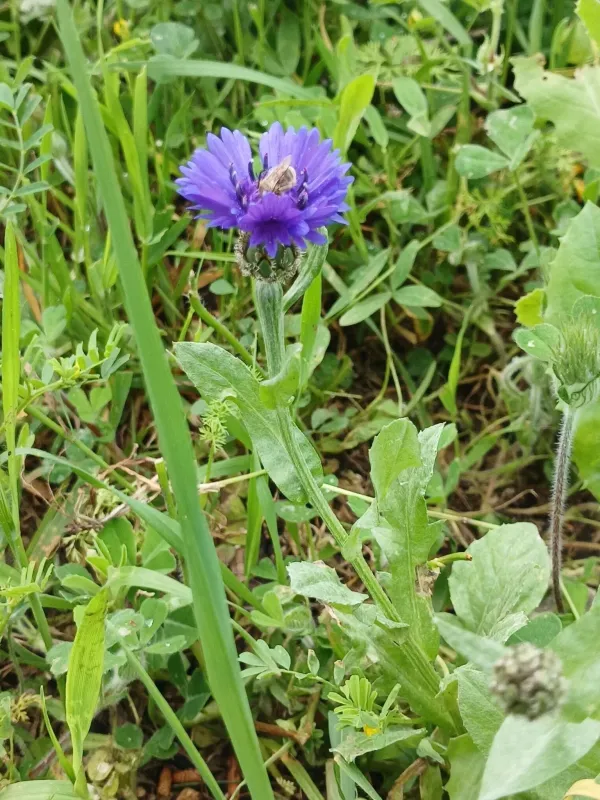
Description
Sowing dates
Cyanus cyanoides is an annual or biennial herbaceous plant belonging to the Asteraceae family. In agricultural practice, it is typically sown in early spring as soon as the soil warms up to 5-8 degrees Celsius.
Seeds are sown at a depth of 1-2 centimeters in well-prepared, loose soil. Maintaining row spacing of 30-45 centimeters is recommended to facilitate weeding and ensure proper air circulation.
Seedlings emerge within 10-14 days after sowing. During the first month of growth, it is essential to keep the fields free from weeds, as the young plants are sensitive to competition for resources.
Consistent plant density is crucial for obtaining high-quality floral raw materials. Overcrowding can lead to stunted growth and lower yields of the desired secondary metabolites.
The seeding rate varies between 5 and 8 kilograms per hectare, depending on the germination percentage of the seeds and the specific machinery used for drilling.
Growing requirements
This crop thrives in well-lit areas, as shade negatively impacts the concentration of bioactive compounds in the flowers. The plant shows moderate tolerance to cold, making it suitable for temperate regions.
The ideal soil for Cyanus cyanoides is a light, well-drained sandy or loamy soil with a neutral to slightly alkaline pH. Poor drainage can significantly damage the root system.
Fertilization should focus on potassium and phosphorus to promote flowering. Excessive nitrogen should be avoided as it stimulates vegetative growth over the production of floral parts.
While the plant is relatively drought-tolerant, supplemental irrigation during the budding phase is recommended to ensure uniform and high-quality floral development.
Crop rotation is vital to maintain soil health. It is not advisable to plant this species on the same field more than once every three to four years to prevent disease build-up.
Yield
The yield of flower heads ranges from 5 to 10 quintals per hectare of dried product. The primary commercial value lies in the marginal flowers used in the pharmaceutical industry.
Besides its medicinal application, Cyanus cyanoides is a valuable nectar source. Honey production in fields dominated by this species can reach 25-40 kilograms per hectare.
The flowering period is extended, allowing for multiple harvest sessions. This staggered collection strategy helps in managing labor and ensures that only fully mature flowers are harvested.
The quality of the final product is heavily dependent on careful handling during and after harvest. The blue color, indicating high quality, must be preserved through proper drying.
Producers should prioritize the removal of contaminants and foreign materials during the grading process to meet international standards for medicinal herbs.
Main diseases and pests
Fungal diseases, such as powdery mildew and rust, represent the most significant threat to Cyanus cyanoides. These pathogens thrive in humid, poorly ventilated field conditions.
Insect pests, including aphids and leaf beetles, can cause substantial damage to buds and young foliage, directly impacting the final yield and aesthetic quality of the flowers.
Integrated pest management, including the use of resistant varieties and biological control agents, is highly effective in mitigating these threats without relying solely on chemicals.
Crop sanitation, such as removing crop debris after harvest, helps to break the life cycle of many pathogens and overwintering pests that would otherwise plague the next season.
- Implement a strict 3-4 year crop rotation schedule.
- Monitor for aphid colonies during the early budding stage.
- Ensure proper spacing to enhance air circulation.
- Use certified seeds to minimize the risk of seed-borne diseases.
Harvesting
Harvesting is performed during the peak blooming stage when the marginal flowers have fully opened. Harvesting too late results in color loss and reduced medicinal potency.
The harvested materials should be transported to the processing facility quickly to prevent heat accumulation, which can cause the flowers to turn black.
Drying must be conducted in the shade at temperatures between 40 and 50 degrees Celsius to protect the anthocyanin pigments from thermal degradation.
Proper airflow during the drying process is essential to ensure consistent moisture levels and to prevent mold growth in the final stored product.
The finished dried flowers should be stored in airtight containers, away from direct sunlight, to preserve their therapeutic properties and vibrant blue color for an extended period.