
Curio hallianus
Curio hallianus
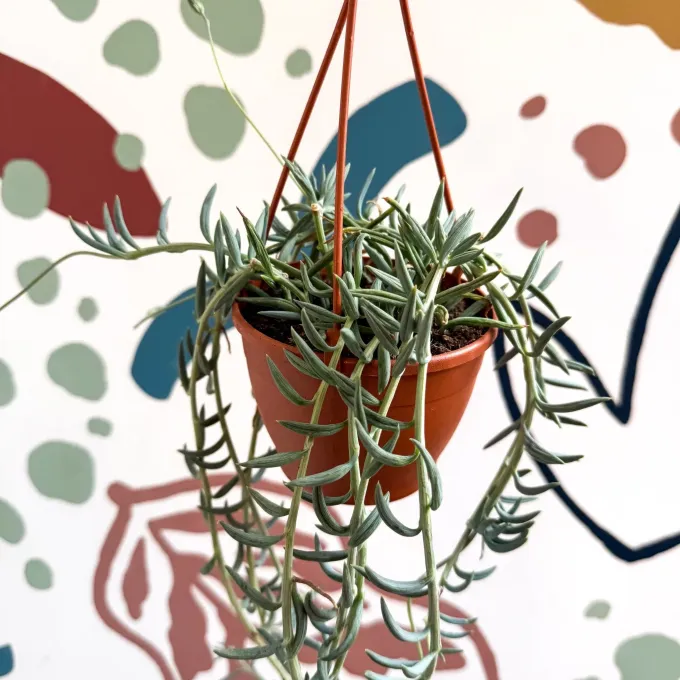
Description
Growing requirements
Curio hallianus is a perennial succulent shrub belonging to the Asteraceae family. Historically, this plant was classified under the Senecio genus, and it remains a popular subject of study in botanical horticulture due to its unique structural characteristics.
Native to the arid regions of Southern Africa, this species has evolved to thrive in harsh environments. It typically grows in rocky, well-draining soils where its deep root system can access sparse moisture while its succulent leaves store water for dry spells.
The botanical structure includes fleshy, cylindrical leaves covered in a glaucous wax layer, which is a strategic adaptation to prevent excessive transpiration under intense sunlight. The stems are semi-prostrate, allowing the plant to spread naturally along the ground.
Agricultural requirements for Curio hallianus center on providing excellent drainage. A gritty, porous growing medium is essential to mimic its native habitat and prevent root rot, which is the most frequent cause of plant failure in artificial environments.
The species requires high light intensity to maintain its structural integrity and color. In lower light conditions, the plant may become etiolated, losing its characteristic dense growth habit and becoming susceptible to physical breakage.
Main diseases and pests
The primary threats to Curio hallianus are moisture-related pathologies, specifically stem and root rot caused by poor soil drainage or excessive irrigation. Once the vascular tissue is compromised, recovery is difficult and often impossible.
Mealybugs are the most common pests encountered in cultivation. These insects aggregate in the crevices between leaves and stems, extracting vital sap and leaving behind honeydew that fosters secondary sooty mold growth.
Spider mites can also become a problem if the ambient environment is overly dry and stagnant. Regular monitoring and maintaining proper air circulation around the plants are critical preventive measures against such infestations.
Mechanical damage to the waxy leaf cuticle exposes the plant's inner tissues to airborne pathogens. Any pruning or accidental damage should be left to callus naturally in a dry environment before returning the plant to its growing conditions.
Chemical control should be approached with caution as many succulents are sensitive to certain solvents found in commercial pesticides. Using systemic insecticides is preferred over contact sprays to minimize the risk of damaging the delicate leaf surfaces.