
Cunonia capensis
Cunonia capensis
Description
Growing requirements
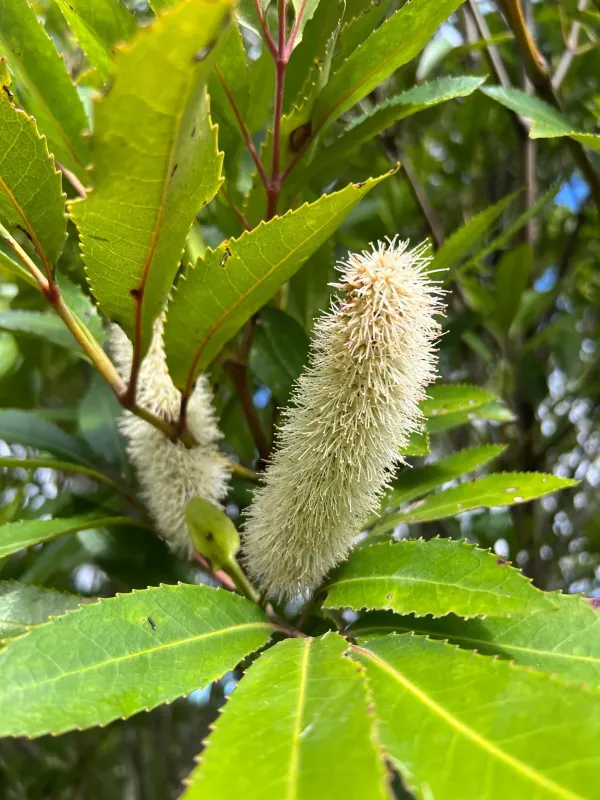
Cunonia capensis, commonly known as the butterknife tree, is a stunning evergreen species belonging to the Cunoniaceae family. Native to the lush coastal and mountain forests of South Africa, it is highly valued for its elegant, glossy compound leaves and dense, fragrant racemes of white flowers.
The tree thrives in temperate climates where humidity is high and frost is minimal. While it can adapt to various environments, it performs best in sheltered spots where it is protected from strong, drying winds that can damage its distinctive foliage.
Soil requirements for optimal growth involve a well-draining, nutrient-rich substrate with an acidic to neutral pH level. Incorporating organic matter, such as compost or peat, is essential to retain moisture while ensuring the roots have access to adequate oxygen.
Watering management is crucial for the health of the plant. It enjoys consistently moist soil, especially during the peak growing season. However, avoid waterlogging the roots, as this can lead to physiological stress and reduced vitality of the tree.
When it comes to light exposure, Cunonia capensis prefers dappled sunlight or semi-shaded conditions. Protecting the plant from harsh, direct midday sun is advisable in warmer climates to prevent leaf scorch and maintain the deep green coloration of its leaves.
Main diseases and pests
Despite its robustness, Cunonia capensis can occasionally be affected by pests such as scale insects and mealybugs. These small parasites tend to congregate on stems and the undersides of leaves, requiring regular monitoring and prompt treatment with insecticidal soap.
Fungal diseases, including leaf spot, may occur if the plant is grown in areas with poor air circulation. High humidity combined with a dense canopy creates an environment conducive to fungal pathogens, making sanitary pruning an essential part of plant maintenance.
Root rot is a significant threat when soil drainage is inadequate. This condition is often silent at first but quickly leads to yellowing leaves and general wilting. Ensuring the planting medium is loose and aerated is the best preventative strategy.
Spider mites can also be a nuisance in dry or indoor environments. Keeping the surrounding air humid through regular misting or using a humidifier can significantly reduce the risk of these pests establishing themselves on the foliage.
To keep the tree healthy, proactive care is key. Integrated pest management, which combines physical inspection, proper watering techniques, and the use of targeted biological agents, will ensure the long-term vigor of this ornamental tree.