
Ctenolophon parvifolius
Ctenolophon parvifolius
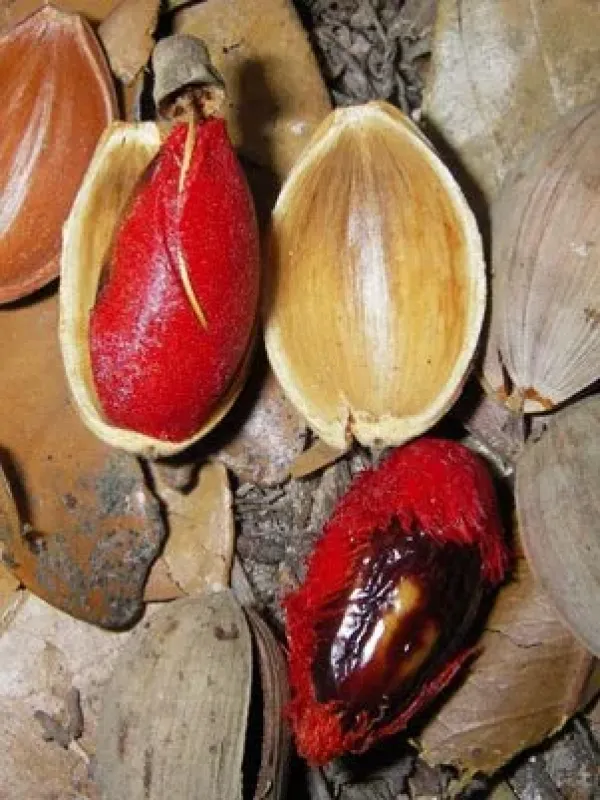
Description
Growing requirements
Ctenolophon parvifolius is a significant tree species belonging to the Ctenolophonaceae family, native to the tropical forests of Southeast Asia. It is primarily found in lowland peat swamp forests, where the environment remains consistently humid throughout the year.
The tree requires specific soil conditions, thriving in sandy or organic-rich soils that maintain high moisture levels. It has evolved physiological adaptations to withstand periodic waterlogging, which is a common characteristic of its native wetland habitats.
Botanically, this species is defined by its evergreen foliage and a dense, high-quality timber structure. Development is relatively slow, especially during the early growth stages when the tree requires a protective canopy provided by older vegetation.
Climatic requirements are strict, necessitating high temperatures and minimal seasonal variation. The species does not adapt well to drought or sudden changes in humidity, making its growth restricted to specific geographical zones in Malaysia, Indonesia, and Brunei.
In terms of usage, the timber of Ctenolophon parvifolius is highly regarded for its durability and resistance to decay. It is utilized in various construction sectors and in the production of furniture designed for long-term exposure to demanding environments.
Main diseases and pests
The primary threat to Ctenolophon parvifolius is the loss of its natural habitat due to deforestation and land conversion for agricultural purposes. The drainage of peat swamps for palm oil plantations poses a significant risk to the species' survival.
Diseases are often linked to environmental stress, particularly when the water table is lowered or the forest structure is disturbed. Fungal infections can easily affect the wood and root system under conditions of excessive humidity coupled with physical damage.
Pests, such as wood-boring insects, can cause severe structural damage to the trees, especially when the overall health of the forest is compromised. Increased fragmentation of forest tracts makes it difficult for trees to resist localized pest outbreaks.
Anthropogenic impacts, including climate change-induced hydrological shifts, represent a long-term challenge for the conservation of the species. Without protected habitats, the tree faces significant pressure from industrial forestry activities.
Effective management requires strict regulation of logging practices and the protection of primary forest cores. Monitoring for biological threats involves regular forest health assessments to ensure that the trees remain resilient against natural and human-induced stresses.