
Ctenodon brasilianus
Ctenodon brasilianus
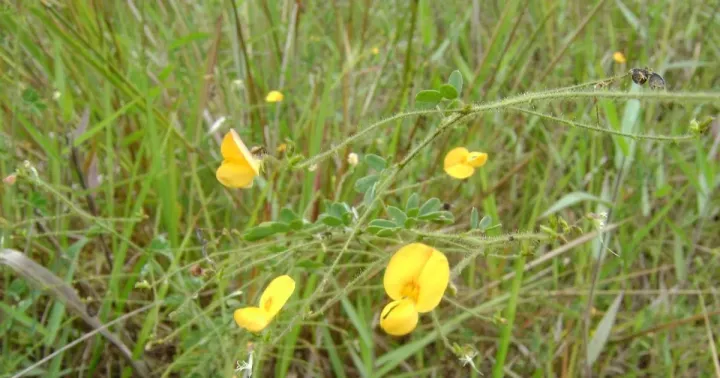
Description
Sowing dates
Ctenodon brasilianus belongs to the Fabaceae family and is recognized as a hardy, herbaceous plant capable of adapting to various tropical and subtropical ecosystems.
Successful sowing requires precise timing to coincide with the beginning of the rainy season, ensuring that seedlings receive adequate hydration for initial establishment.
The seeds should be planted in well-prepared, friable soil to encourage rapid germination and to minimize the energy required for the seedlings to emerge.
It is recommended to use specialized planting equipment to maintain consistent spacing, which promotes uniform growth and helps in managing future weed control.
Sowing depth is a critical factor; placing seeds too deep may result in failure, while placing them too shallow may lead to drying out of the seeds before germination.
Growing requirements
This crop thrives in well-drained soils and shows a preference for areas that receive consistent rainfall, although it displays some tolerance to dry spells.
Soil nutrient profile is important, particularly for leguminous species, which require specific soil bacteria to successfully perform nitrogen fixation.
Exposure to full sunlight is essential for the plant to reach its full potential, as shading from taller plants can inhibit its growth and overall biomass production.
Soil pH should ideally be managed to stay within a neutral range, which supports the availability of essential micronutrients necessary for robust development.
Fertilization regimes should be targeted, emphasizing the use of phosphorus and potassium, which are vital for root development and overall plant structure.
Yield
The yield of Ctenodon brasilianus is primarily measured by the total biomass generated, which serves as a highly nutritious source of forage for livestock.
Farmers can achieve multiple harvests within a single growing season if they maintain a proper rotation and allow the plant sufficient time to recover.
Productivity typically peaks during the second year of cultivation, once the plant has fully developed its root system and achieved a stable, mature status.
Proper management of grazing intensity is vital to maximize long-term yields and to ensure that the plants do not suffer from overexploitation during the peak growth months.
Using advanced irrigation techniques during prolonged dry periods can significantly increase biomass production and stabilize yield quality across the growing year.
Main diseases and pests
Pests such as defoliating insects present a significant threat to young plants, potentially causing substantial losses if not managed with timely intervention.
Root pathogens and various fungal diseases can develop in areas where soil drainage is poor, leading to plant decay and reduced overall pasture density.
Effective management includes regular field monitoring and the use of integrated pest management strategies to keep damage below the economic threshold.
Weed competition during the early stages of establishment can severely restrict growth, necessitating either mechanical weeding or manual intervention.
Controlling rodent populations is also recommended to prevent physical damage to the root system, which can create entry points for soil-borne pathogens.
Harvesting
Harvesting is best conducted during the early flowering stage, as this is when the nutritional content, particularly protein levels, is at its highest.
Equipment should be set to a specific cutting height to ensure that the basal buds remain intact, allowing for rapid regrowth after the harvest is complete.
Post-harvest management involves rapid handling to ensure the crop retains its quality, especially when being processed into hay for long-term storage.
Moisture levels must be monitored during the drying process to prevent mold development, which could compromise the quality and safety of the forage.
Clean harvesting practices are crucial to avoid contamination with weed seeds, which could lead to infestations in the field during the subsequent growing cycles.