
Crepis zacintha
Crepis zacintha
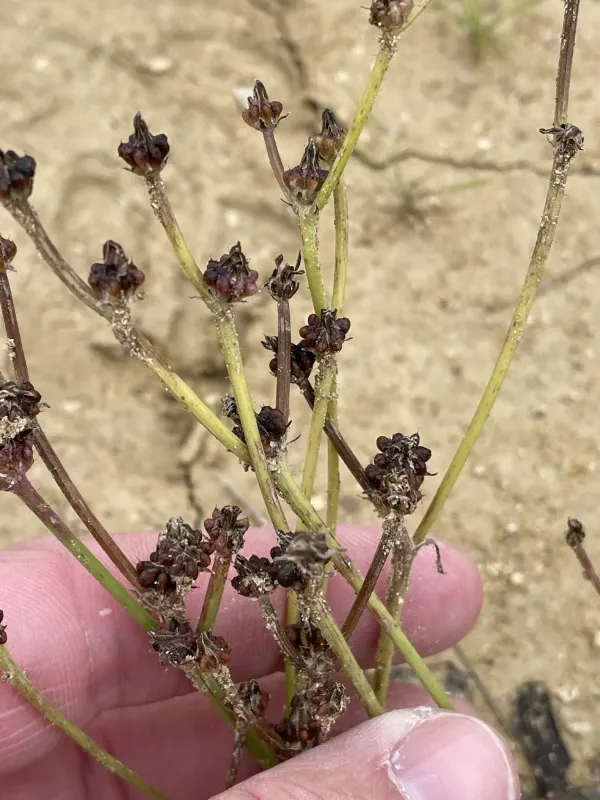
Description
Sowing dates
Seeds of Crepis zacintha should be sown during the autumn season in Mediterranean-type climates to allow for natural germination cycles.
For cultivation in controlled environments, seeds may be sown in early spring once the risk of severe ground frost has passed.
The seeds are small and should be sown near the surface, requiring light to optimize the germination rate and ensure healthy seedling emergence.
Maintaining proper spacing between plants is essential to prevent overcrowding and to ensure that each rosette has sufficient room to develop fully.
It is recommended to use a lightweight, well-draining substrate for sowing to prevent excessive moisture retention which could harm the seeds.
Growing requirements
The species requires full solar exposure to flourish and complete its life cycle successfully throughout the growing season.
Soil conditions should be neutral to slightly alkaline, characterized by excellent drainage properties to prevent root decay.
Water requirements are relatively low; the plant is well-adapted to drier conditions and should not be subjected to heavy, prolonged watering.
The optimal growth temperature range is between 18 and 25 degrees Celsius, allowing the plant to reach its full maturity and seed set.
Regular weeding is necessary during the early stages of development to eliminate competition for vital soil nutrients and mineral resources.
Main diseases and pests
Root rot is the primary threat to the vitality of Crepis zacintha, occurring mainly when soil moisture levels are maintained at an excessively high rate.
Powdery mildew can affect the leaves in conditions of poor air circulation, particularly in denser stands or high-humidity greenhouse environments.
Aphid infestations may target the flower stalks, potentially hindering the development of healthy seeds and reducing the overall reproductive capacity.
Leaf-eating insects can cause damage to the basal rosette during the early spring growth phase, requiring careful monitoring of the planting site.
Effective management requires prompt removal of diseased plant parts and maintenance of dry conditions around the collar of the plant to deter fungal growth.