
Crepis suffreniana
Crepis suffreniana
Description
Sowing dates
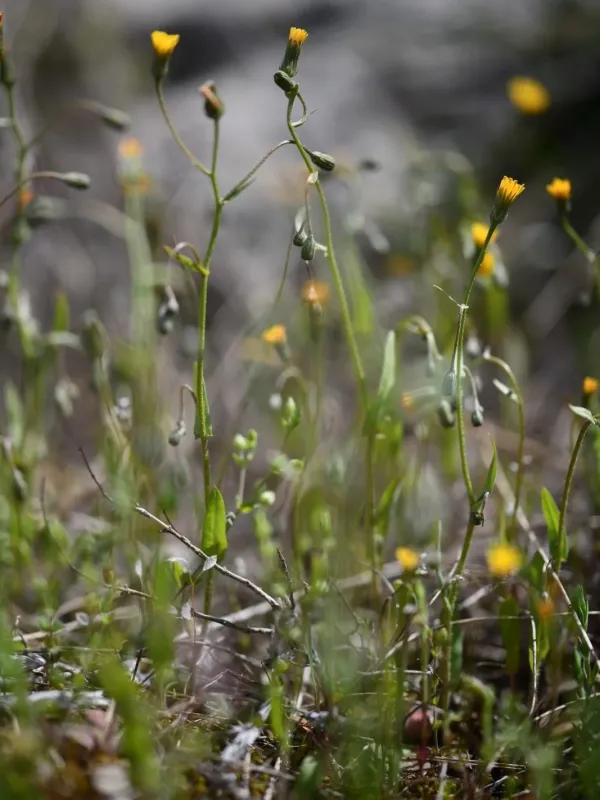
Crepis suffreniana is an annual herbaceous plant belonging to the Asteraceae family. It is often encountered in natural meadows and open fields, contributing to the biodiversity of local ecosystems while acting as a potential forage resource.
The sowing process is typically carried out in early spring when soil temperatures allow for active germination. Seeds should be placed at a shallow depth of approximately 1-2 centimeters to ensure they receive sufficient light and moisture for emergence.
Field preparation must focus on achieving a fine tilth, which is essential for uniform germination of the small seeds, thereby establishing an even crop stand from the very beginning.
Proper density management is crucial; overcrowded plants tend to compete for resources, leading to reduced individual biomass and overall lower quality of the harvestable material.
In organized agricultural systems, precision seeding equipment is recommended to maintain optimal spacing between rows, facilitating subsequent inter-row cultivation and weeding operations.
Growing requirements
Crepis suffreniana thrives in well-drained, fertile soils with a preference for loamy or sandy-loam textures. It demonstrates significant resilience to various soil pH levels, provided the nutrient profile is balanced.
Light availability is a primary factor for growth, as the plant prefers sunny exposures. Shading from neighboring taller crops or dense canopy cover negatively impacts the photosynthetic rate and plant development.
Water requirements are moderate, though the plant benefits significantly from consistent moisture during the vegetative phase. Extreme drought conditions can trigger early flowering, reducing the overall biomass production.
The plant shows a high level of tolerance to fluctuating weather conditions, including cool spring mornings, but excessive moisture accumulation in the root zone must be avoided to prevent stress.
Providing adequate nutrient inputs, particularly nitrogen in the early vegetative stage, can greatly enhance the overall vigor and yield potential of the crop throughout its life cycle.
Main diseases and pests
Fungal diseases, especially powdery mildew, represent a significant threat to Crepis suffreniana when humidity levels are high and air movement through the foliage is restricted.
Aphid infestations are the most common insect-related concern, as they can rapidly colonize growing points and cause damage to the leaves, leading to reduced vigor and stunted plant growth.
Root rot caused by pathogens in poorly drained soils can lead to widespread plant mortality if water management strategies are not strictly observed during the growing season.
Integrated pest management strategies are advised, emphasizing regular monitoring and cultural practices to maintain the health of the plants without excessive chemical intervention.
The use of certified seeds and maintaining strict crop hygiene are vital steps in mitigating the risk of disease transmission from one growing season to the next.