
Siberian hawksbeard
Crepis sibirica
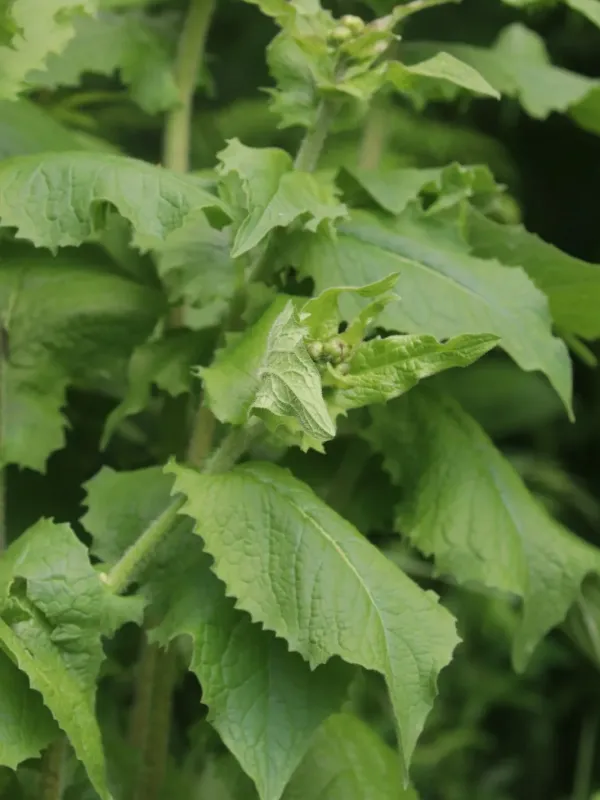
Description
Growing requirements
Siberian hawksbeard (Crepis sibirica) is a perennial herbaceous plant belonging to the Asteraceae family. It is recognized for its robust growth habit and significant presence in diverse meadow ecosystems.
The plant originates from the forest and forest-steppe regions of Siberia, Central Asia, and parts of Europe. It is well-adapted to cooler climates and demonstrates high winter hardiness in its native range.
Cultivation requires fertile, loamy soils that provide adequate moisture retention. Soil pH should ideally be neutral to slightly acidic to ensure optimal nutrient uptake for the plant's development.
Exposure to sunlight is a critical factor, as Siberian hawksbeard thrives in well-lit areas. While it can tolerate partial shade, full exposure promotes healthier foliage and more vigorous stem development.
The plant is primarily utilized in agriculture as a component of mixed forage. Its nutritional profile, rich in essential minerals, makes it a valuable species for hay production and pasture diversification.
Main diseases and pests
Powdery mildew is a primary fungal threat to Siberian hawksbeard, especially in environments with high humidity levels and poor air circulation around the plants.
Aphid infestations are frequently observed during the budding phase, which can stunt the growth of flower stalks and reduce the quality of the green biomass.
Rust diseases can also affect the foliage, resulting in necrotic spots and a general decrease in photosynthetic efficiency during the main growth season.
Leaf-eating beetles pose a threat to the rosette leaves, particularly in the spring when the plant is most vulnerable to external mechanical damage.
Integrated pest management, including crop rotation and the maintenance of soil fertility, is essential for mitigating these threats and ensuring a healthy harvest.