
Crepis lampsanoides
Crepis lampsanoides
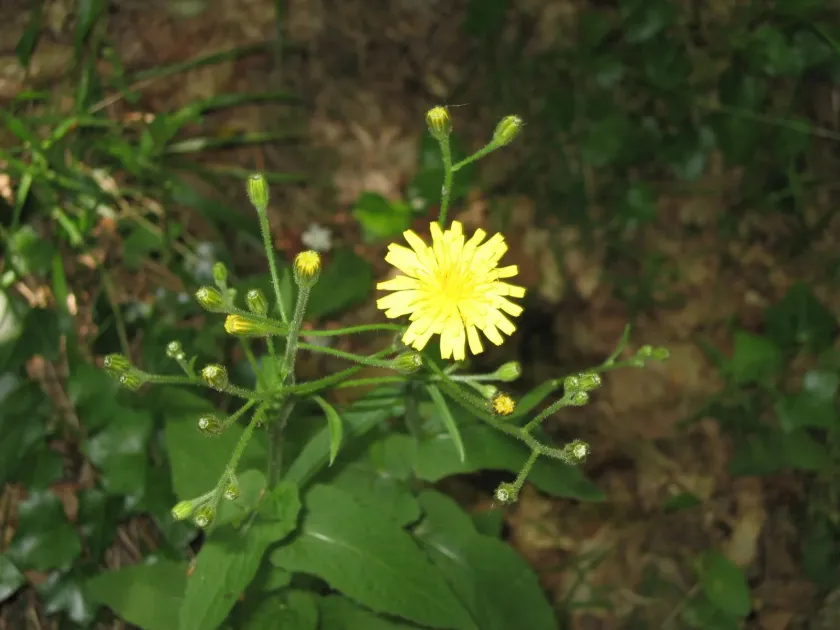
Description
Growing requirements
Crepis lampsanoides is a perennial herbaceous plant belonging to the Asteraceae family. Known for its robust growth habit, it is recognized for its potential as a valuable component in diverse grassland ecosystems and specific fodder mixtures.
Native to the mountain ranges of Western Europe, this species thrives in temperate climates. It is well-adapted to cooler conditions and shows significant resilience, making it a viable option for high-altitude or northern agricultural zones.
The plant requires fertile, well-drained loamy soils to reach its full yield potential. It prefers neutral to slightly acidic soil conditions and requires consistent moisture levels to sustain its vegetative growth throughout the peak season.
In terms of agricultural utility, it is primarily valued for its nutritional profile as livestock forage. The species integrates well with grasses, providing a balanced diet and contributing to the overall biodiversity of forage lands.
Botanically, it exhibits characteristic yellow flower heads and a strong rosette formation. The root structure is well-developed, allowing the plant to persist through various environmental fluctuations and support consistent biomass production.
Main diseases and pests
Powdery mildew is the most common fungal disease affecting Crepis lampsanoides, particularly in humid or stagnant air conditions. Proper spacing and airflow management are critical to preventing disease outbreaks.
Insect pests, including various aphid species, can threaten young plants during the spring growth flush. Integrated pest management strategies are recommended to monitor populations and minimize potential economic damage.
Weed encroachment represents a major challenge during the establishment phase. Effective soil preparation and early-stage management are essential to ensure the crop gains a competitive advantage over opportunistic weeds.
Root rot represents a significant risk if the soil becomes waterlogged. Ensuring optimal drainage is a fundamental requirement for maintaining the longevity of the plant stands in agricultural settings.
Overgrazing can severely impact the persistence of the plant. A rotational grazing system is highly recommended to allow the crop sufficient time to recover its vegetative mass and root reserves after each cycle of use.