
Crawfurdia campanulacea
Crawfurdia campanulacea
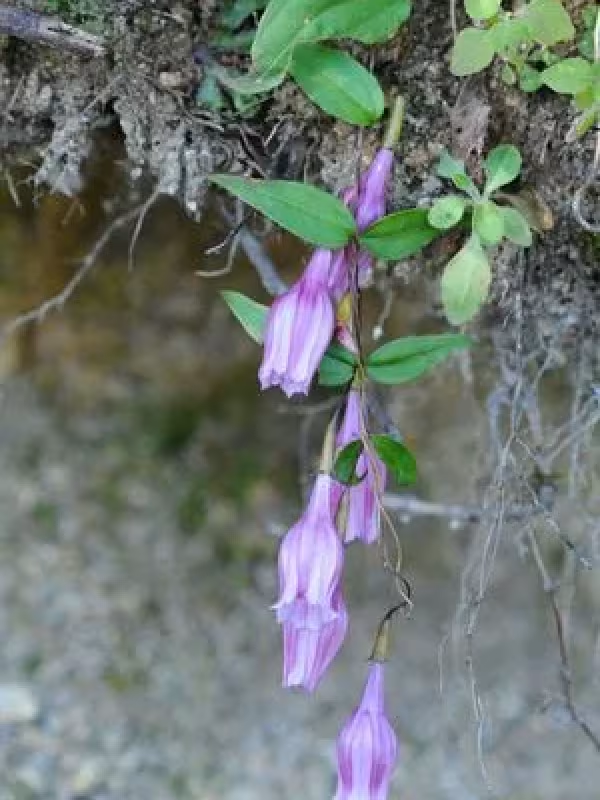
Description
Sowing dates
Crawfurdia campanulacea is a perennial climbing plant belonging to the Gentianaceae family, known for its bell-shaped flowers and vining growth habit.
Propagation is primarily achieved through seeds, which require careful handling due to their small size and specific requirements for initial germination.
The optimal sowing time begins in late winter or early spring in a controlled environment to ensure the seedlings gain sufficient strength before transplantation.
Seeds should be sown in a well-draining, slightly acidic peat-based medium, maintaining a constant humidity level and moderate ambient temperatures.
Following germination, the seedlings should be kept in well-lit areas, protecting them from intense direct light until they reach a more mature, robust stage.
Growing requirements
This species thrives best in cool, humid environments with partial shade, mimicking its native habitat in the forested regions of East Asia.
Soil requirements involve a rich, organic-based substrate with excellent drainage capabilities to prevent the accumulation of excess water around the roots.
Temperature management is critical; the plant prefers stable, mild conditions and struggles under extreme heat or direct exposure to high-intensity sunlight.
Irrigation should be consistent, ensuring the substrate remains moist but not waterlogged, as this plant is particularly sensitive to root-related diseases.
To support its climbing behavior, the installation of vertical trellises or supports is essential to allow the vines to extend their length effectively.
Main diseases and pests
Fungal infections, particularly root rot, pose the most significant threat to the health of the plant, especially in high-humidity or poorly ventilated areas.
Common pests include aphids and spider mites, which can cause significant stress to the foliage and impact the plant's overall aesthetic quality.
Monitoring the undersides of the leaves for signs of infestations is a fundamental practice in the successful maintenance of this climbing culture.
Preventative measures against diseases include ensuring proper air circulation around the plants and avoiding overhead irrigation that leaves foliage wet for long periods.
Effective management strategies involve a combination of biological control methods and appropriate sanitization of the growing environment to minimize pest spread.