
Tansy-leaved hawthorn
Crataegus tanacetifolia
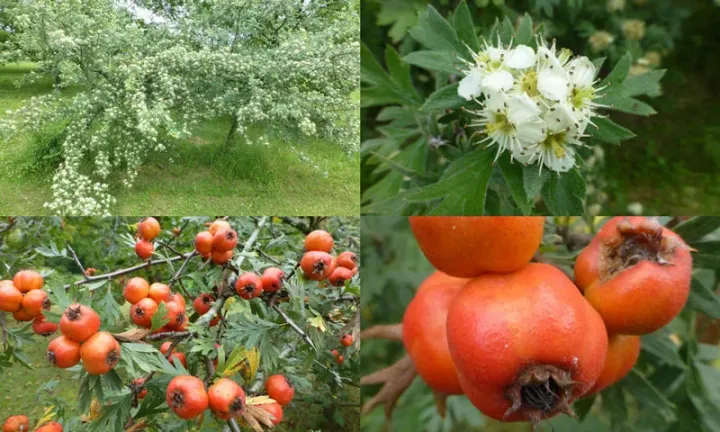
Description
Growing requirements
Crataegus tanacetifolia, commonly known as the tansy-leaved hawthorn, is a deciduous tree species within the Rosaceae family. Native to the mountainous regions of Asia Minor, it has evolved to thrive in semi-arid and highland environments, making it a robust addition to many gardens.
The tree prefers sunny locations where it can receive maximum light exposure, which is essential for its flowering and fruit production. It shows excellent tolerance to drought and is known for its ability to perform well in rocky, nutrient-poor soils provided there is adequate drainage.
While the species is hardy, it benefits significantly from deep, well-drained loamy soils that allow for strong root development. It is vital to plant the tree in well-drained spots, as waterlogging can cause root decay and significantly stress the plant during the dormant season.
Regular maintenance includes formative pruning, which helps maintain a structured, aesthetic shape, especially given its characteristic pinnately lobed foliage. Fertilization with organic matter in the early spring encourages vigorous growth and sustains the health of the tree throughout the growing season.
This tree is highly valued for its large, edible orange-yellow fruits, which have a unique flavor profile. Beyond its utility as a fruit crop, its aesthetic appeal, particularly the distinctive leaves, makes it a preferred choice for ornamental landscaping and hedges.
Main diseases and pests
Tansy-leaved hawthorn is susceptible to powdery mildew, especially during warm, humid spells with poor airflow. Maintaining proper spacing between trees and performing regular pruning is crucial to facilitate ventilation and prevent the spread of fungal spores across the orchard.
Fire blight is another significant concern, capable of damaging branches and flowers rapidly. If symptoms appear, immediate removal of affected sections, followed by proper disinfection of pruning tools, is necessary to contain the infection and protect the remaining tree structure.
Pests such as aphids and spider mites can colonize the foliage, leading to premature leaf drop and reduced tree vigor. Periodic monitoring of the undersides of leaves is recommended, particularly during the early stages of the growing season when new shoots are soft and vulnerable.
Curculio weevils may target the developing fruit, which can lead to significant yield losses if not managed. Integrated pest management, involving a combination of monitoring and targeted applications, is the best strategy to keep fruit damage to a minimum.
Overall, good sanitation practices, including the removal of deadwood and infected leaves, are essential for long-term health. Keeping the area beneath the tree canopy clear of debris reduces the overwintering capacity for many common pests and fungal pathogens.