
Hungarian hawthorn
Crataegus nigra
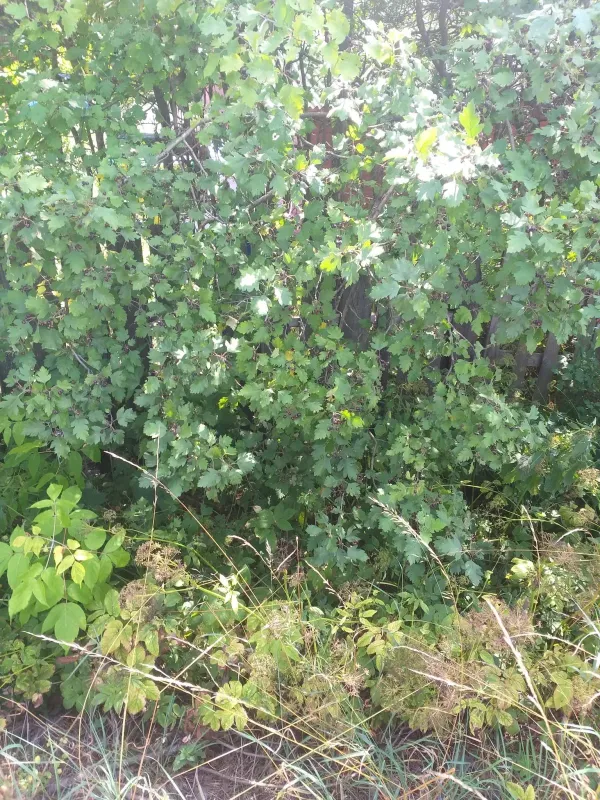
Description
Growing requirements
Hungarian hawthorn (Crataegus nigra) belongs to the Rosaceae family and is a deciduous shrub or small tree. It is distinguished from other hawthorn species by its unique dark-colored, almost black fruits, which appear after the flowering phase concludes.
The species is native to Central and Southeastern Europe, particularly the Danube basin. Its natural habitat includes floodplains and moist forest edges, which dictates its preference for sites with stable soil moisture and moderate sunlight exposure.
For cultivation purposes, this plant performs best in fertile, well-drained, loamy soils. While it can handle periodic waterlogging better than other hawthorn species, it remains essential to avoid sites with stagnant water to ensure healthy root development.
Climate requirements include a temperate environment where the plant can thrive throughout the growing season. The Hungarian hawthorn is known for its high hardiness, allowing it to withstand severe winter conditions without significant damage to its stems or buds.
Agrotechnical maintenance centers on structural pruning, which should be performed during the dormant season. This helps maintain a desirable tree shape, improves airflow through the canopy, and maximizes the yield of its valuable fruit.
Main diseases and pests
The health of Hungarian hawthorn can be compromised by common fungal diseases, with powdery mildew being the most prevalent. This condition manifests as white patches on leaves and can lead to premature defoliation if left untreated.
Rust diseases are also a concern for this species, especially in areas with high spring humidity. Spores can infect the plant tissue, resulting in necrotic spots or growth abnormalities that weaken the overall vitality of the tree.
Pest pressure is frequently exerted by various types of aphids that feed on the tender young growth. Such infestations often occur in early summer and can severely affect the development of the fruits if not monitored and treated early.
Effective management involves consistent orchard sanitation. Removing and destroying infected plant material, such as fallen leaves or blighted branches, is a primary method for reducing the annual cycle of pathogens within the garden area.
Integrated pest management (IPM) practices, such as the introduction of beneficial insects or the use of horticultural oils, are recommended to maintain control over populations of harmful insects while preserving the medicinal quality of the harvest.