
Morden Hawthorn
Crataegus mordenensis
Description
Growing requirements
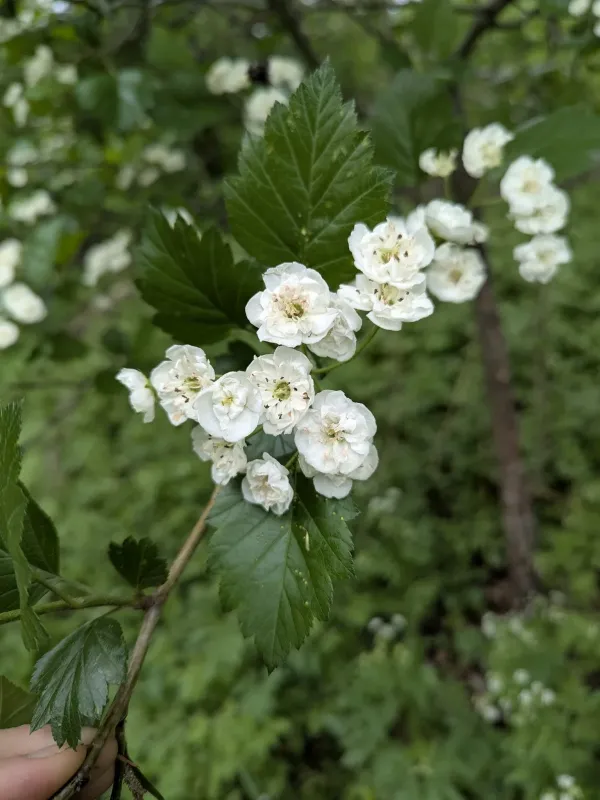
Morden Hawthorn (Crataegus mordenensis) is a hardy hybrid cultivar belonging to the Rosaceae family. Originating from Canadian breeding programs, it is widely recognized for its double flowers that provide an exceptional visual impact during the spring season.
The plant requires full sun exposure to produce the best bloom and maintain a dense branch structure. It is highly adaptable to various soil types, provided that the drainage is efficient, as waterlogging is one of the main factors that can limit its growth and survival.
In terms of climate, it demonstrates excellent cold hardiness, making it suitable for northern regions. It thrives in well-structured, fertile soils with a near-neutral pH, though it can tolerate slightly alkaline conditions common in many garden environments.
Agrotechnical practices involve yearly pruning in late winter or early spring to improve airflow through the canopy. Regular monitoring for soil moisture during the first few growing seasons is critical to help the plant establish a deep and healthy root system in its new location.
Its primary use is ornamental, serving as a specimen tree or a prominent component in hedgerows. Due to its size and showy floral display, it is an ideal choice for urban landscaping, park displays, and residential gardens where a focal point of color is desired.
Main diseases and pests
The species is susceptible to typical Rosaceae diseases, including fire blight and powdery mildew. Proper site selection and avoiding overhead irrigation can significantly reduce the risk of these pathogens affecting the health of the plant.
Pest management is focused on controlling aphids, scale insects, and occasional spider mite infestations. Utilizing integrated pest management practices ensures the longevity of the tree while minimizing the use of synthetic chemicals in the domestic or public landscape.