
Laciniate hawthorn
Crataegus laciniata
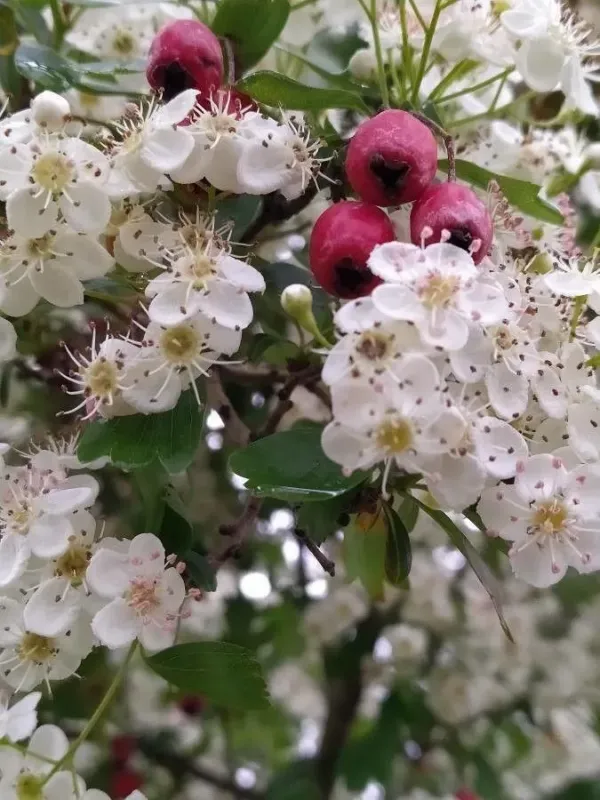
Description
Growing requirements
Crataegus laciniata, commonly known as the laciniate hawthorn, belongs to the Rosaceae family. Native to regions spanning from the Mediterranean to the Near East, this species is well-adapted to rocky and arid terrains.
The plant is defined by its deeply lobed, silvery-green foliage, which provides distinct ornamental value. It is a hardy, drought-tolerant species that thrives in full sun and requires well-draining, slightly alkaline soil conditions to prevent root issues.
Cultivation of this species is popular in temperate regions where it serves as a resilient shrub or small tree. It requires a significant cold period during winter for proper dormancy and subsequent spring growth cycles.
In agricultural and landscape settings, the laciniate hawthorn is valued for its hardiness. It does not demand frequent fertilization, though young plants benefit from organic mulching to maintain soil moisture during the first few years of establishment.
Its primary uses include the development of wildlife-friendly hedges, erosion control on slopes, and the harvesting of its small, berry-like pomes, which are utilized for their medicinal properties and health-promoting phytochemical content.
Main diseases and pests
Like many species in the Rosaceae family, the laciniate hawthorn is susceptible to various pests, including aphids, leaf miners, and scale insects, which can weaken the tree if infestations are left unchecked.
Common diseases affecting this tree include fire blight and powdery mildew. Fire blight, in particular, can be highly destructive, requiring prompt removal of infected branches to prevent the spread of the pathogen to the rest of the tree.
Proper air circulation through regular pruning is essential to mitigate fungal infections. By opening the crown, growers ensure that leaves dry quickly after rainfall, significantly reducing the chances of spore germination.
Management practices should prioritize dormant-season pruning, which helps maintain plant vigor and allows for the easy identification of dead or diseased wood that may harbor pests or overwintering fungal spores.
When selecting a site for planting, it is advisable to avoid locations that have recently hosted other Rosaceous plants to reduce the risk of soil-borne pathogens persisting from previous crops.