
Heterophyllous hawthorn
Crataegus heterophylla
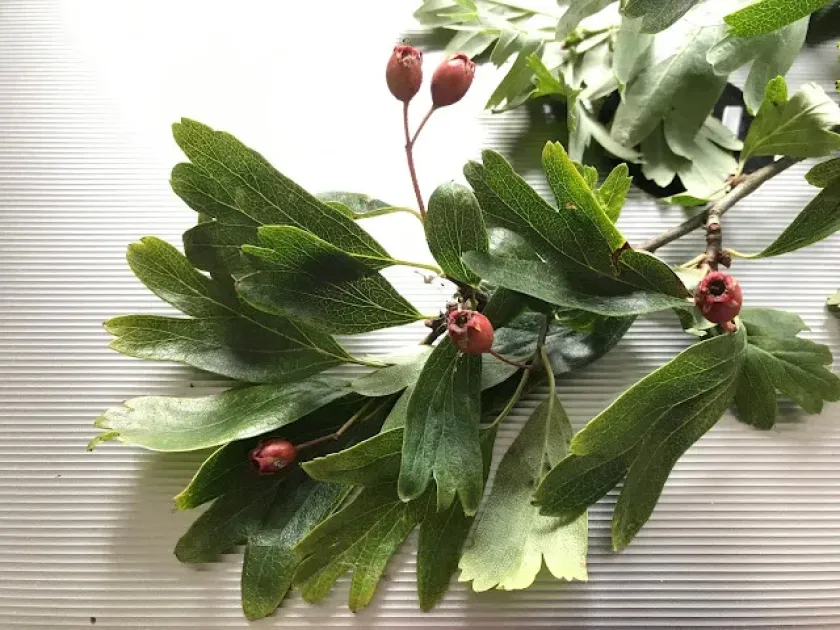
Description
Sowing dates
Seeds of the heterophyllous hawthorn should be sown in autumn immediately after harvesting to facilitate natural stratification. The cold winter temperatures are essential for breaking seed dormancy and ensuring uniform germination the following spring.
In professional nurseries, seeds are often stratified in moist sand or peat for several months. This controlled process increases the germination rate significantly, providing a reliable supply of young seedlings for plantation establishment.
Seeds should be buried at a depth of 2–3 centimeters in well-prepared seedbeds. It is crucial to maintain consistent soil moisture during the emergence period, as the seedlings are sensitive to surface drought during their early development stages.
Vegetative propagation, such as budding or grafting onto common hawthorn rootstocks, is the preferred method for maintaining genetic purity and specific cultivar characteristics. This method also results in faster maturation compared to seed-grown plants.
Transplanting young plants to their final location is best performed in early spring or autumn. During these dormant periods, the plant experiences less physiological stress, allowing the root system to establish effectively before the onset of extreme weather.
Growing requirements
Heterophyllous hawthorn, a member of the Rosaceae family, thrives in sunny locations with full light exposure. While it is quite adaptable, growth and fruit production are significantly enhanced when the plant receives optimal direct sunlight.
The species is well-adapted to a variety of soil types but prefers fertile, well-drained loams. It is remarkably resilient to periods of moderate drought, thanks to its deep and robust taproot system that explores lower soil layers.
The ideal soil pH ranges from slightly acidic to neutral (6.0–7.5). It is important to avoid areas with heavy, waterlogged soils or high water tables, as poor aeration in the root zone can lead to stunted growth or root decay.
This hawthorn species demonstrates high winter hardiness, allowing it to survive in various temperate climates. It is also highly tolerant of urban pollution, making it an excellent choice for green infrastructure in city environments.
Good agricultural practice for this species includes regular soil cultivation around the base of the plant to suppress weed competition. Periodic pruning is also necessary to maintain structural integrity and improve airflow throughout the crown.
Yield
Trees grown from seeds typically reach the fruiting stage at 6–8 years of age. Grafted specimens exhibit much faster development, often producing their first fruit yield within 3–4 years of being transplanted into the orchard or garden.
The annual yield depends on tree age, nutritional status, and environmental conditions. Healthy, mature plants under favorable conditions can produce a significant amount of high-quality fruit, suitable for both fresh use and processing.
The fruits ripen during late summer and autumn, changing color and softening to indicate harvest readiness. Adequate light and balanced moisture levels during the pre-harvest phase are critical for achieving optimal size and sugar content.
Application of balanced fertilizers during the flowering phase can enhance productivity. However, gardeners should avoid excessive nitrogen application, as it tends to stimulate vigorous vegetative growth at the expense of fruit production.
Maintenance pruning is essential to stimulate the growth of younger, more productive fruit-bearing shoots. This practice ensures that the tree maintains stable productivity levels for many years without becoming overcrowded or weak.
Main diseases and pests
Like many species in the Rosaceae family, heterophyllous hawthorn is susceptible to pests such as aphids and leaf rollers. These insects can damage foliage and young buds, necessitating timely interventions with appropriate systemic insecticides.
Powdery mildew is a common fungal threat, especially in humid or poorly ventilated environments. Proper crown thinning is a vital cultural control measure that helps improve airflow and reduces the risk of fungal infections.
Rust diseases can also affect the plant, particularly if it is situated near juniper hosts. Early detection and the removal of infected plant parts are necessary to prevent the spores from spreading to the rest of the canopy.
Pest management should prioritize the safety of pollinators. Treatments should be timed to avoid flowering periods, and systemic products should be selected to ensure long-term protection while minimizing the need for frequent repeat applications.
General hygiene, such as clearing away leaf litter at the end of the season, reduces the overwintering capacity for many pests and pathogens. This simple practice significantly lowers the disease pressure for the following growing season.
Harvesting
Harvesting is performed manually once the fruits have reached full maturity. It is important to wait until the fruits have developed their characteristic deep color and achieved the desired texture for processing.
Because the branches of the hawthorn are often armed with sharp thorns, the use of protective gloves is mandatory. This precaution prevents injuries and makes the harvesting process more efficient and comfortable for the worker.
Post-harvest, the fruits should be processed immediately. They do not have a long shelf life at ambient temperatures and can spoil quickly due to high moisture content, leading to rapid degradation of their nutritional profile.
Common preservation methods include air-drying or using food dehydrators at controlled temperatures. Once dried, the fruits maintain their medicinal and nutritional value, making them excellent for teas, extracts, and jams throughout the winter.
After the harvest is complete, the trees should be inspected for broken or damaged branches. Applying wound sealant to large cuts can prevent pathogens from entering the tree during the dormant winter months.