
Heldreich's hawthorn
Crataegus heldreichii
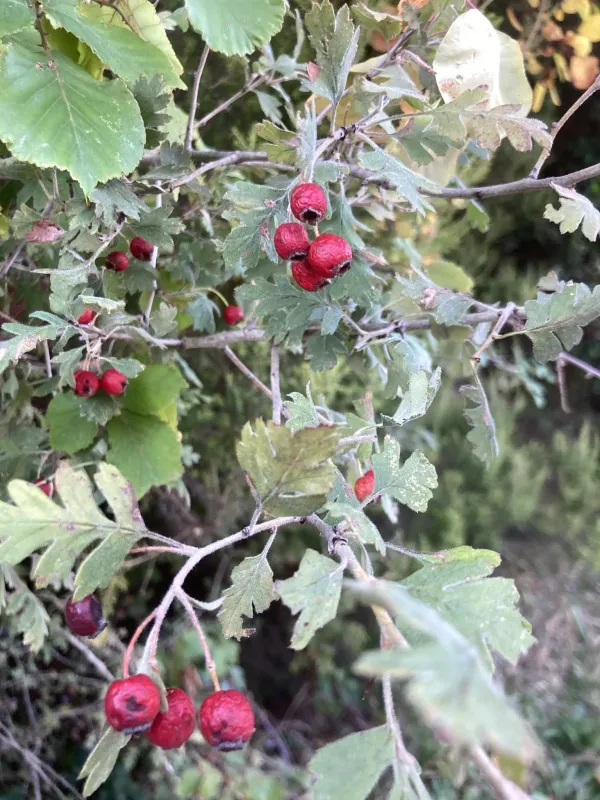
Description
Growing requirements
Heldreich's hawthorn (Crataegus heldreichii) is a perennial shrub or small tree belonging to the Rosaceae family. It is native to the Balkan Peninsula, specifically Greece, where it thrives in rocky, calcareous terrain.
This species is highly adapted to arid environments, demonstrating excellent drought tolerance. It prefers well-drained, slightly alkaline or neutral soils and requires full sun exposure to reach its maximum biological potential and fruit production.
Agronomic practices for this species focus on providing adequate spacing for airflow, as the plant develops a dense, thorny structure. The root system is deep and efficient at extracting moisture, making it suitable for less fertile, stony sites.
Botanically, Crataegus heldreichii is characterized by its serrated, lobed leaves and white inflorescences that appear in the spring. It is a slow-growing species, which requires patience during the establishment phase in agricultural settings.
Climate requirements include temperate to Mediterranean conditions. In regions with severe winters, young plants should be protected to prevent frost damage to the bark and buds, ensuring consistent development throughout the vegetative cycle.
Main diseases and pests
The primary fungal threats to this hawthorn species are powdery mildew and rust. These diseases are most prevalent in seasons with high humidity, making site selection and correct planting density essential for disease prevention.
Pest management should focus on aphids, scale insects, and mites that target the young foliage. Regular monitoring of the plant canopy is advised, as early detection allows for effective non-chemical interventions.
Fire blight is considered a major phytosanitary concern. Strict adherence to sanitation protocols, such as disinfecting pruning tools after each cut and removing infected wood, is vital for the long-term survival of the plantation.
Implementing integrated pest management (IPM) strategies helps maintain a healthy balance in the local ecosystem. Promoting the presence of beneficial insects can naturally regulate the populations of common hawthorn pests.
Proper sanitation, including the removal of fallen leaf debris during autumn, is critical for reducing the overwintering inoculum of various fungal pathogens. Regular inspections ensure that any signs of distress are addressed promptly.