
Cockspur hawthorn
Crataegus crus-galli
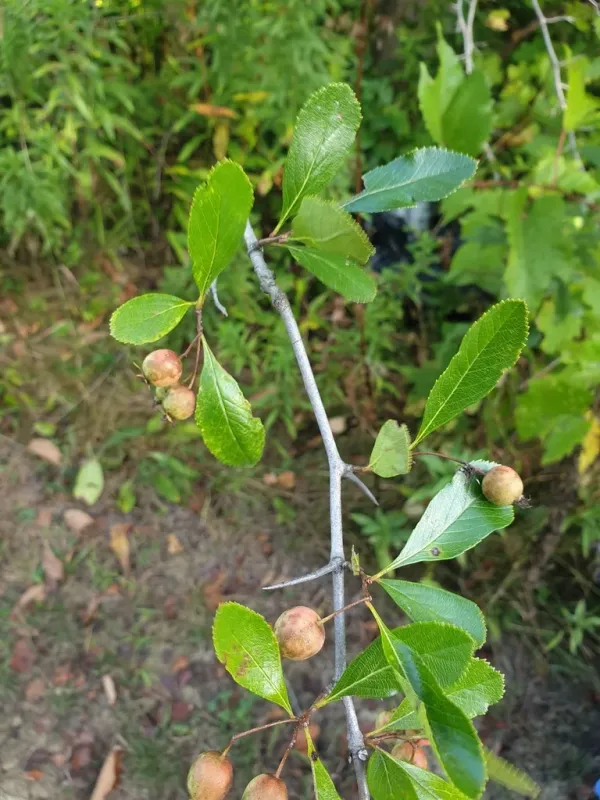
Description
Growing requirements
Cockspur hawthorn (Crataegus crus-galli) is a deciduous shrub or small tree belonging to the Rosaceae family. Native to North America, it is widely recognized for its adaptability and distinct architectural form.
This species thrives in full sun but maintains a reasonable level of vigor even in partial shade. It is a highly versatile plant that is favored for its resilience to varied environmental conditions, including urban settings.
It prefers well-drained loam or sandy soils but is notoriously tolerant of diverse soil textures. The plant demonstrates high drought tolerance once established, making it a low-maintenance choice for many landscapes.
Cockspur hawthorn is exceptionally hardy and can withstand harsh winter temperatures, which contributes to its wide distribution across temperate zones. It performs best in soils with a neutral or slightly alkaline pH.
Botanically, the species is defined by its long, rigid, and sharp thorns that resemble rooster spurs, hence the common name. The leaves are leathery and glossy, providing significant visual interest throughout the growing season.
Yield
The primary economic and horticultural use of Crataegus crus-galli is for security hedging and privacy screens. Its dense branch structure and formidable thorns create an impenetrable barrier that is both functional and aesthetic.
During late spring, the plant produces beautiful white flower clusters, which are later followed by persistent red fruits. These berries provide essential food for local bird populations during the winter months.
While not a major commercial fruit crop, the berries are edible and have been historically used in traditional medicinal practices. Yields are maximized when the plants are grown in sunny locations with proper spacing.
Pruning is essential for maintaining the desired form and density. Regular maintenance helps in managing the shrub's size and promoting continuous, healthy growth of the foliage and flowering structures.
The wood of the cockspur hawthorn is extremely dense and hard. Although not harvested on a large scale, it is occasionally used in craft projects for small decorative items due to its durability and fine grain.
Main diseases and pests
Cockspur hawthorn is susceptible to various fungal diseases, with powdery mildew being the most common issue. It manifests as a white, dusty layer on leaves, which can be mitigated through proper air circulation and fungicides.
Leaf rust is another significant concern that can affect the overall health and appearance of the shrub. Implementing a strict sanitation program, including the removal of infected plant debris, is crucial for control.
Common insect pests include hawthorn aphids and leafrollers. If these populations grow unchecked, they can cause premature leaf drop and stress the plant, necessitating the use of targeted insecticides.
Fire blight is a serious bacterial disease that causes shoots to wither as if scorched by fire. Affected branches must be pruned well below the infection site using sterilized tools to prevent further spread.
Preventative care is the cornerstone of managing these threats. Maintaining plant vigor through proper nutrition and avoiding water stress significantly lowers the risk of pest and disease outbreaks.