
Coutarea hexandra
Coutarea hexandra
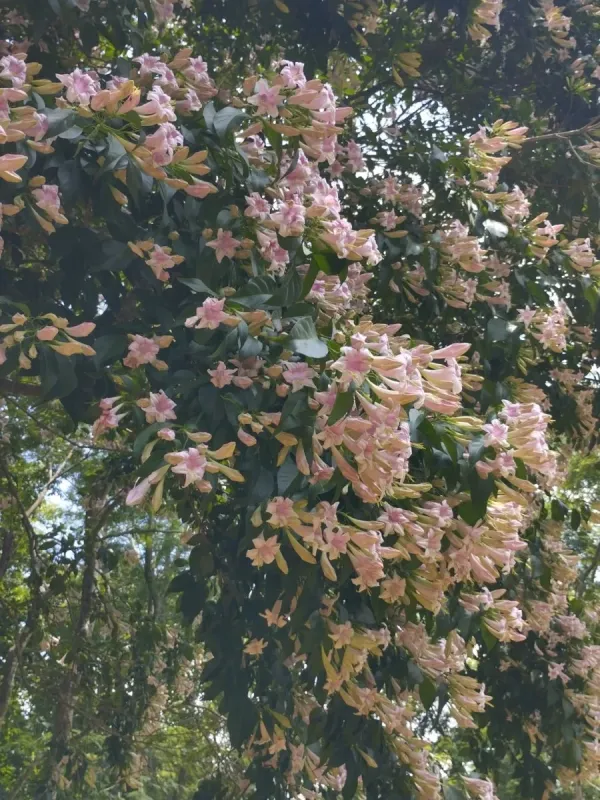
Description
Growing requirements
Coutarea hexandra is a notable species belonging to the Rubiaceae family. This tropical plant typically grows as a deciduous tree or shrub, native to the diverse ecosystems of Central and South America.
The soil requirements for optimal growth focus on deep, well-draining substrates. The plant performs best in slightly acidic to neutral soil, avoiding sites where water remains stagnant after precipitation, as this can lead to root damage.
Climatic requirements are strictly tropical, necessitating high annual temperatures and a frost-free environment throughout the year. The species thrives in areas with distinct wet and dry seasons, adapting its growth cycle accordingly.
Exposure to full sunlight is essential for the development of its dense crown and the accumulation of secondary metabolites. In managed cultivation, strategic spacing is required to ensure adequate airflow and light penetration.
Agricultural management involves routine monitoring of soil nutrient levels and the application of balanced organic fertilizers. Maintenance includes regular weeding to prevent competition for resources in the early growth stages.
Main diseases and pests
Major threats to this crop include fungal infections of the roots, often exacerbated by poor drainage or excessive soil moisture. These pathogens can compromise the vascular system and lead to tree decline.
Various foliage-feeding insects pose a constant threat to the leaf tissue, potentially reducing the plant's overall vitality. Monitoring for early signs of infestation is crucial for effective control.
Leaf spot diseases are common in humid conditions with limited wind exposure. Implementing proper pruning techniques helps maintain crown health and reduces the risk of fungal proliferation.
Soil-borne pests, such as certain nematode populations, can weaken the root architecture. Soil amendments and proper sanitation are recommended to mitigate these risks in permanent plantations.
Effective management strategies should prioritize integrated pest control to ensure the safety and quality of the medicinal bark, which is the primary economic component of the tree.