
Couma macrocarpa
Couma macrocarpa
Description
Growing requirements
Couma macrocarpa is a significant evergreen tree species belonging to the Apocynaceae family. Native to the Amazon rainforest, this tree typically thrives in dense tropical environments and can reach impressive heights in its natural habitat.
The plant demands a strictly tropical climate characterized by constant warmth and high humidity levels throughout the year. It does not tolerate frost or cold winds, which makes its cultivation limited to equatorial and tropical regions.
Soil requirements focus on deep, well-draining substrates rich in organic matter. While the tree is accustomed to heavy rainfall, avoiding waterlogged soil is essential to prevent root rot and ensure the tree remains healthy and productive.
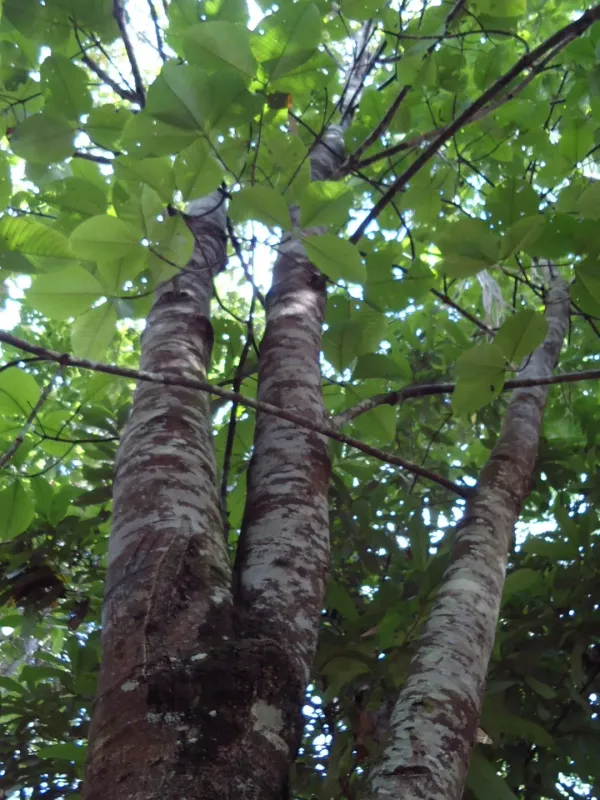
Botanically, Couma macrocarpa is notable for its latex-containing tissues. The tree produces a milky sap, and its botanical architecture allows it to compete for light within the canopy of the rainforest, developing a sturdy trunk and broad crown.
Agronomic management for this species is largely underdeveloped, as most harvesting occurs from wild-growing populations. Future agricultural projects would require systematic seed selection and propagation techniques adapted to high-humidity nursery conditions.
Yield
The yield of this tree consists of fleshy, rounded fruits that are highly valued by indigenous communities. The fruit is primarily consumed fresh, but its potential for processed juices and culinary applications remains a topic of local economic interest.
Beyond food production, Couma macrocarpa has historically provided latex, which can be extracted from the bark. The wood quality is also considered acceptable for local construction and craftsmanship purposes in the Amazon basin.
Main diseases and pests
Pest threats include various tropical sap-sucking insects that target the bark and foliage of the tree. Keeping the plants healthy with proper spacing helps minimize the impact of these pests in managed agroforestry settings.
Fungal pathogens represent the most significant threat, particularly in environments with stagnant air or poor drainage. Management involves monitoring for leaf spots and stem rot, which can occur during prolonged rainy seasons if the trees are crowded.