
Coulteria platyloba
Coulteria platyloba
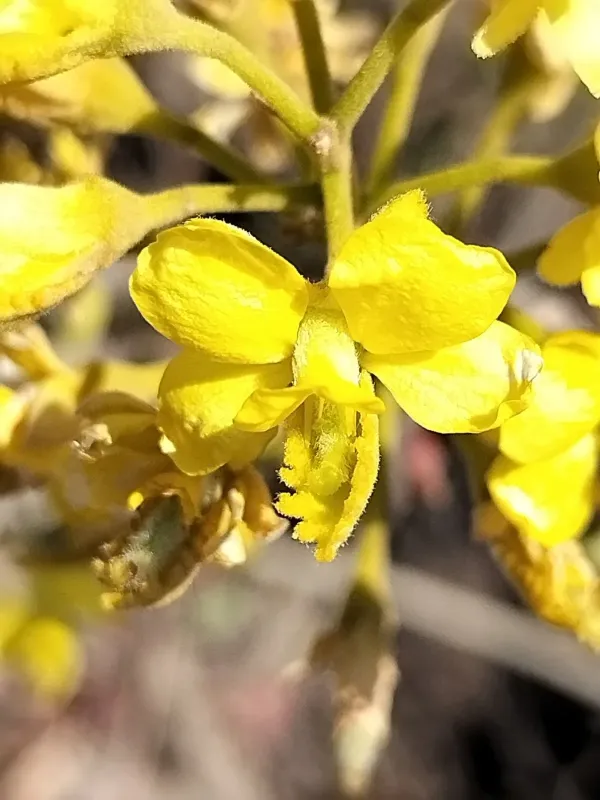
Description
Growing requirements
Coulteria platyloba is a woody plant belonging to the Fabaceae family. Originally native to the tropical forests and shrublands of Mexico, this species has adapted to survive in regions characterized by distinct dry seasons and moderate to high temperatures.
The culture thrives in well-drained, porous soils, including rocky or gravelly textures that are often found in its natural habitat. Its root system is exceptionally efficient at extracting moisture, allowing the plant to persist in water-limited environments where other crops would fail.
Full exposure to direct sunlight is essential for the healthy growth of Coulteria platyloba. In agricultural settings, ensuring optimal spacing between trees is critical to prevent self-shading and to maximize the accumulation of biomass throughout the growing season.
Thermal requirements for this species are strictly tropical. It does not possess significant frost tolerance, so cultivation sites must be chosen in regions where temperature fluctuations remain within the moderate-to-warm range year-round.
Economically, Coulteria platyloba is valued for its dense, durable wood used in local crafts and agricultural tools. Furthermore, as a leguminous species, it plays a vital role in soil enrichment through nitrogen fixation, benefiting neighboring vegetation.
Main diseases and pests
Root rot, primarily caused by fungal pathogens such as Fusarium or Phytophthora, represents the most significant threat to the health of the plant. These infections usually occur in areas with poor drainage and excessive standing water.
Seed-boring beetles pose a substantial threat to reproduction and seed production. These insects penetrate the pods, consuming the embryos and significantly reducing the viability of the seeds for future planting cycles.
Defoliating insects, such as caterpillars and certain beetle larvae, can cause significant damage to the plant's canopy, particularly in young specimens. Such damage forces the plant to divert energy from growth to foliage replacement, slowing overall development.
Environmental degradation, including climate instability and loss of natural pollinators, threatens the long-term survival of wild populations. Conservation efforts focus on sustainable seed harvesting and habitat protection.
Integrated pest management, emphasizing the use of biological control agents and maintaining optimal moisture levels, is the most effective approach for managing threats in commercial and agroforestry cultivation.