
Corynocarpus
Corynocarpus
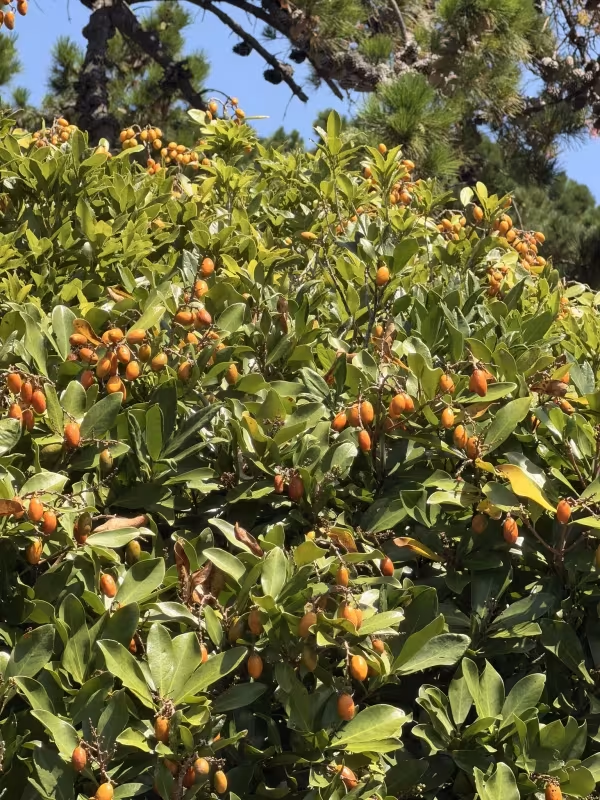
Description
Growing requirements
Corynocarpus is a genus of evergreen trees and shrubs belonging to the monotypic family Corynocarpaceae. Native primarily to New Zealand and various Pacific islands, this plant is known for its leathery, glossy foliage and specific botanical requirements that reflect its tropical and subtropical origin.
The plant thrives in mild maritime climates where temperatures remain stable throughout the year. It lacks frost tolerance, making it suitable for outdoor cultivation only in strictly frost-free regions or as an indoor ornamental plant in colder climates with controlled environmental conditions.
Optimal growth requires deep, nutrient-rich soils with excellent drainage properties. The plant is particularly sensitive to waterlogging, which can cause rapid root decay. A neutral to slightly acidic soil pH is recommended to maintain nutrient availability and overall plant vigor.
Regarding light, Corynocarpus prefers bright, indirect sunlight. While it can survive in partial shade, exposure to intense direct sunlight can lead to leaf scorch, especially in young plants. Providing adequate protection from drying winds is essential for maintaining leaf health and structure.
Agronomic management involves consistent moisture levels during the growing season. While the species is somewhat drought-tolerant once established, supplemental irrigation is necessary during dry spells to ensure steady development and canopy density.
Main diseases and pests
Common pests affecting Corynocarpus include scale insects and mealybugs, which tend to congregate in leaf axils. These pests extract plant sap, weakening the tree and promoting the growth of sooty mold, which impairs photosynthesis.
Fungal pathogens represent a significant threat when soil drainage is poor. Root rot is the most serious issue, often appearing as yellowing of the foliage and premature leaf drop. Proper irrigation scheduling is the primary method to mitigate this risk.
Spider mites can be a problematic pest in greenhouse or indoor settings, especially when ambient humidity is kept too low. Regular misting and the maintenance of optimal air circulation can help suppress mite populations without the need for heavy chemical intervention.
Nutritional deficiencies, specifically nitrogen or magnesium deficiency, can manifest as interveinal chlorosis. Implementing a balanced fertilization schedule during the active growth phase is critical to prevent these physiological disorders and support foliage health.
When chemical treatments are necessary, it is important to select products that are specific to the identified pest to avoid harming beneficial insects. Integrated Pest Management (IPM) practices should be followed to ensure the long-term health and sustainability of the crop.