
Corsinia coriandrina
Corsinia coriandrina
Description
Growing requirements
Corsinia coriandrina is a notable species of liverwort belonging to the Corsiniaceae family. It is not an agricultural crop in the traditional sense, but it serves as a subject of intense botanical study due to its distinct evolutionary adaptations and specific ecological niche.
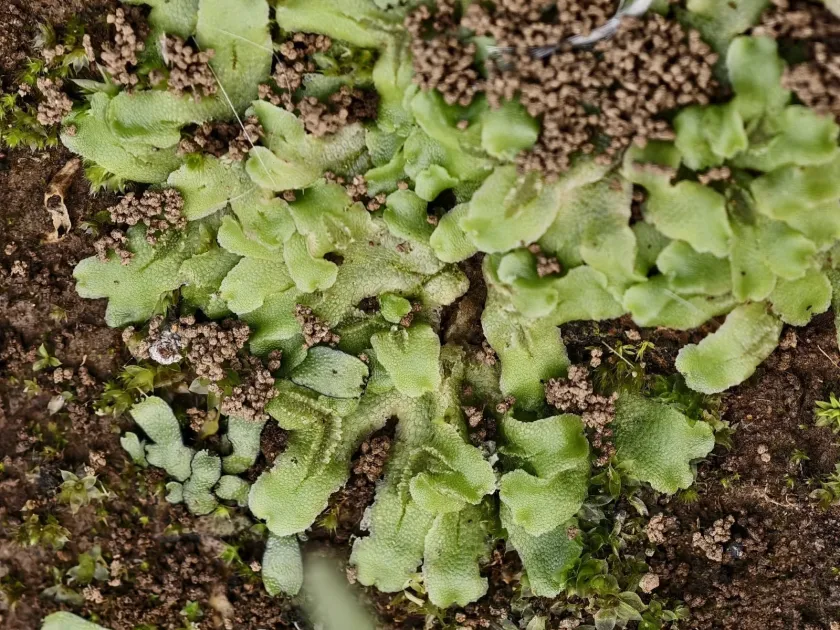
The morphology of this plant is defined by a fleshy, thalloid structure that adheres closely to the soil surface. This thallus design is an evolutionary strategy that allows the plant to survive in Mediterranean environments characterized by sharp seasonal fluctuations in humidity and temperature.
Geographically, the species is distributed across regions bordering the Mediterranean Sea, extending to parts of North Africa and the Canary Islands. It thrives in open, sunny locations, often colonizing bare soil or disturbed ground where interspecific competition is relatively low.
The plant requires precise soil conditions, favoring substrate types that retain moisture during the growing season while draining quickly afterward. Its life cycle is tightly synchronized with the rainfall patterns of its native range, allowing for rapid reproduction when conditions are optimal.
From an ecological perspective, Corsinia coriandrina functions as a soil-stabilizing organism. While it holds no commercial value for human consumption or industry, it is a vital indicator species for monitoring the health of fragile ecosystems and soil moisture dynamics.
Main diseases and pests
The primary threats to Corsinia coriandrina populations include habitat fragmentation and the conversion of natural landscapes into intensive agricultural zones. Human-induced soil compaction and the application of pesticides can irreversibly destroy the moss's micro-habitat.
Climate change poses a significant long-term risk to this species, as altered rainfall patterns disrupt the delicate timing required for the moss to produce spores. As conditions become more unpredictable, the window for successful reproduction continues to shrink, endangering local populations.