
Coronidium elatum
Coronidium elatum (A. Cunn. ex DC.) Paul G. Wilson
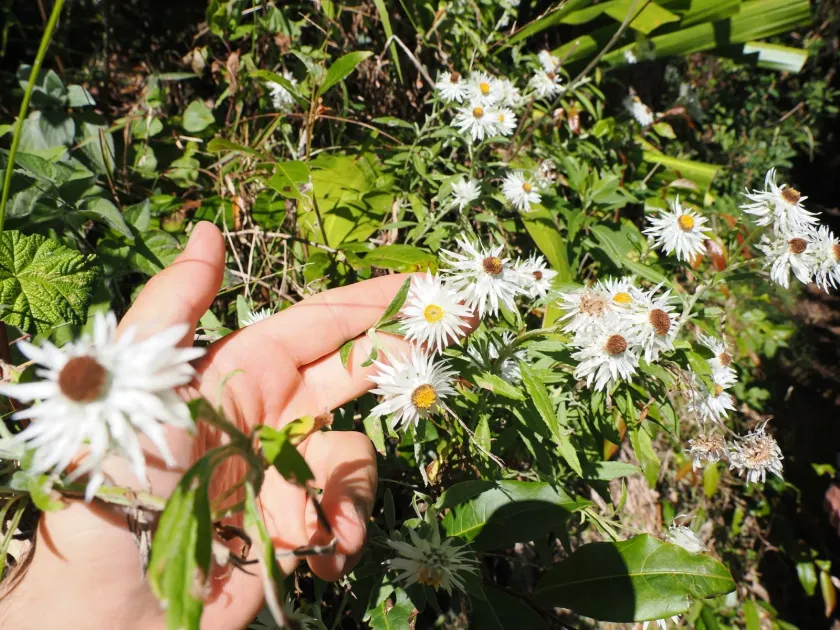
Description
Sowing dates
Seeds of Coronidium elatum should be sown in a controlled environment during late winter or early spring to ensure robust plant development. Utilizing a well-draining seed starting mix is essential to prevent seedling dampening.
Maintain temperatures between 20°C and 22°C to facilitate uniform germination. The seeds need light to germinate, so they should be surface-sown and only lightly pressed into the growing medium without full coverage.
Regular misting keeps the substrate moist but not waterlogged, which is crucial for early growth. Once the seedlings have reached a manageable size, they should be transplanted into individual cells to encourage strong root development.
Acclimatization of seedlings is vital before moving them to a permanent location outdoors. A gradual process over two weeks prepares the plants for environmental stressors like fluctuating wind and sunlight.
Direct sowing is possible in regions with mild climates, provided the soil has warmed sufficiently. This method typically results in a later flowering season compared to starting seeds indoors.
Growing requirements
As a member of the Asteraceae family, Coronidium elatum thrives in full sun exposure. It is highly adapted to poor, sandy soils, making it an excellent choice for rock gardens and xeriscaping projects.
Effective drainage is the most critical requirement for long-term survival. The root system is sensitive to waterlogged conditions, which can lead to rapid decay if the soil does not drain quickly after irrigation or rain.
While the plant is remarkably drought-tolerant once established, providing occasional deep watering during extreme heat will enhance the production of quality inflorescences. Always direct water at the base of the plant.
Avoid heavy nitrogen fertilizers, as these promote excessive vegetative growth at the expense of flower production. A light application of balanced, slow-release fertilizer at the start of the season is usually sufficient.
Protection from severe, freezing winter winds is recommended in exposed locations. The plant is generally hardy but benefits from a sheltered position in cooler climates.
Main diseases and pests
The primary threats to Coronidium elatum involve fungal diseases caused by excessive moisture and poor air circulation. Root rot and powdery mildew are the most common issues reported by growers.
Proper spacing during planting is the best preventative measure against foliar diseases. Ensuring that plants have enough room for air to circulate between stems significantly reduces the risk of infection.
While relatively resistant to most garden pests, aphids may occasionally colonize the soft, new growth during spring. Monitoring and early intervention with insecticidal soap are usually effective.
In humid climates, keep the foliage dry by utilizing drip irrigation instead of overhead sprinklers. This simple cultural practice prevents the leaves from remaining wet for extended periods.
Maintaining a clean garden bed by removing old plant debris helps minimize the survival of pathogens that could affect current season growth.
Harvesting
Harvesting for dried flower production should occur before the blooms are fully mature and open. Picking flowers at the optimal stage preserves their structural integrity during the drying process.
Cut stems to the desired length and gather them into loose bundles to allow maximum airflow. Hanging them upside down in a dark, dry room is the standard method for successful preservation.
Darkness during the drying phase is essential to prevent color bleaching from UV light. This preserves the natural, vibrant hues of the flower heads for use in various floral arrangements.
The duration of the drying period varies based on local humidity but generally takes about three to four weeks. Once the stems are stiff and the heads do not bow, they are ready for use.
Properly handled stems provide long-lasting beauty for home decor and artisan projects. Storing the dried product in a cool, low-humidity environment maintains its quality indefinitely.