
Cordia trichotoma
Cordia trichotoma
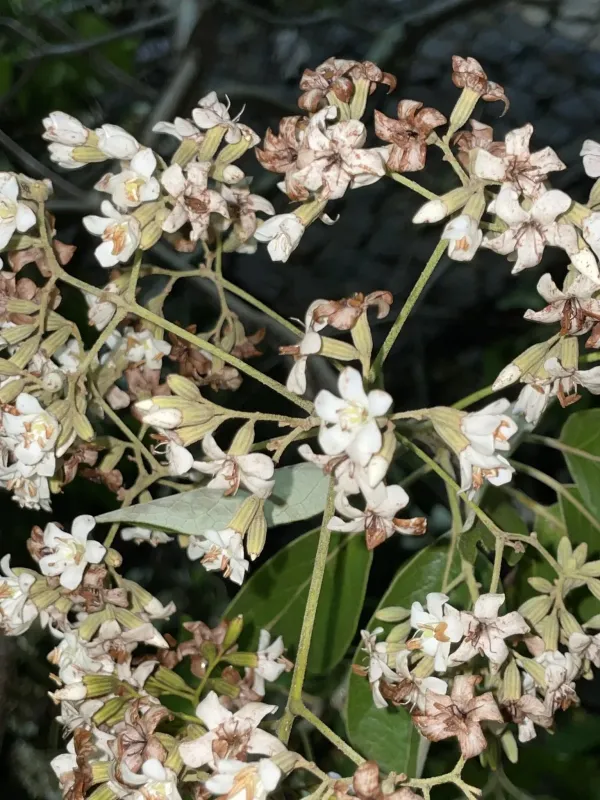
Description
Sowing dates
Propagation of Cordia trichotoma, commonly referred to as "lavado," is primarily conducted in specialized forest nurseries using high-quality seeds.
Sowing occurs during the onset of the growing season in prepared seedbeds to maximize germination rates through stable soil temperature and moisture.
Seedlings are typically raised in containers to protect the delicate root systems and ensure uniform growth before transplantation into permanent plantation sites.
Maintaining proper spacing in the nursery prevents overcrowding and allows for better airflow, which reduces the likelihood of damping-off diseases.
Once seedlings reach a robust stage of development, usually within several months, they are acclimatized before being outplanted into the field.
Growing requirements
This species belongs to the Boraginaceae family and is native to South American tropical and subtropical forests, thriving in well-defined seasonal climates.
Cordia trichotoma requires fertile, well-drained soils with good organic matter content to support its relatively fast growth rate in suitable environments.
It is a highly light-demanding species, meaning that adequate sun exposure is crucial for developing a straight, high-quality trunk free from defects.
The ideal climate involves warm temperatures, generally ranging from 20°C to 30°C, and the species is known to possess some drought tolerance once established.
Wind protection is beneficial for young plantations, as sudden exposure can damage leading shoots and compromise the structural integrity of the developing trees.
Yield
The primary economic value of the species lies in its high-quality timber, known for durability and a distinctive appearance that is highly sought after.
Timber yield is optimized through careful management of stand density, which encourages vertical growth and minimizes the formation of lateral branches.
Harvest cycles are typically set for 20 to 30 years, during which time the trees accumulate significant biomass suitable for premium carpentry and fine furniture.
- High-density wood properties.
- Excellent resistance to natural decay.
- Consistent market demand for high-end cabinetry.
Consistent silvicultural practices, including pruning and thinning, significantly increase the proportion of clear-cut lumber produced per hectare.
Main diseases and pests
Common threats to Cordia trichotoma include foliage-feeding insects that can significantly reduce the photosynthetic capacity of the young trees.
Pathogenic fungi can emerge in poorly drained soils or areas with poor air circulation, potentially attacking the root system or bark integrity.
Wood-boring beetles represent a serious risk, as they can cause extensive internal damage to the stems, rendering the timber unsuitable for high-grade use.
Monitoring for signs of pest infestation and maintaining plantation hygiene are essential strategies to prevent major outbreaks and ensure crop health.
Integrated pest management, focusing on biological controls and timely maintenance, is the most effective approach for sustaining healthy and productive stands.