
Cordia spinescens
Cordia spinescens
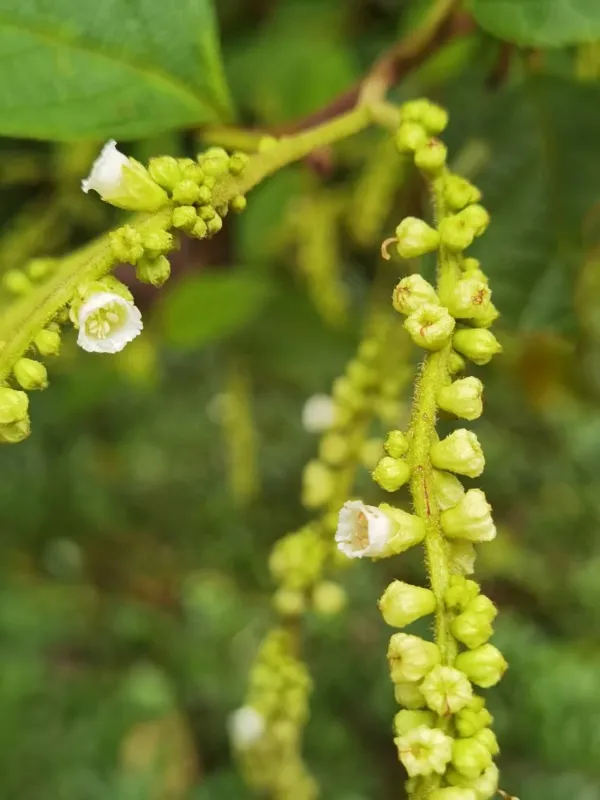
Description
Growing requirements
Cordia spinescens is a perennial shrub belonging to the Boraginaceae family, widely recognized for its prickly stems and ecological adaptability. This plant is a typical representative of neotropical flora, found across diverse landscapes ranging from coastal zones to tropical forests.
The plant thrives in regions with stable tropical temperatures. For optimal commercial cultivation, it requires a minimum temperature of 18°C and prefers abundant sunshine throughout the year, which promotes vigorous growth and flowering.
Regarding soil conditions, Cordia spinescens is relatively versatile but thrives best in well-drained, sandy-loam soils. It is sensitive to waterlogging, which necessitates careful site selection and the installation of effective drainage systems in intensive farming environments.
Agricultural management should focus on maintaining a balanced irrigation schedule. While the plant is drought-tolerant, supplementary watering during prolonged dry spells significantly enhances biomass production and maintains the health of the foliage.
Pruning is an essential agrotechnical practice to keep the shrub manageable and to improve air circulation within the canopy. This practice not only enhances plant shape but also serves as an effective control measure against overcrowding and associated biological stressors.
Main diseases and pests
The main disease threats to Cordia spinescens are soil-borne pathogens and root rot, typically triggered by improper irrigation management. Implementing a precise watering schedule is the primary preventive measure against these issues.
Pest pressure is primarily driven by sap-sucking insects like aphids and whiteflies, which tend to congregate on the soft apical growth. Left unchecked, these pests can significantly reduce the photosynthetic capacity of the plant.
Fungal leaf spot diseases may appear during seasons of high humidity and rainfall. These infections can be mitigated by ensuring proper plant spacing, which encourages drying of the foliage and reduces the risk of spore transmission.
Weed management is critical during the seedling stage, as the plant can be easily suppressed by fast-growing grasses. Mulching around the base of the shrub is a recommended practice to suppress weeds and conserve soil moisture.
Integrated Pest Management (IPM) strategies, including the use of neem oil or biological controls, are highly effective for maintaining healthy plantations. Frequent monitoring of the field ensures that any pest outbreak is addressed before it becomes a widespread problem.