
Cordia rotundifolia
Cordia rotundifolia
Description
Growing requirements
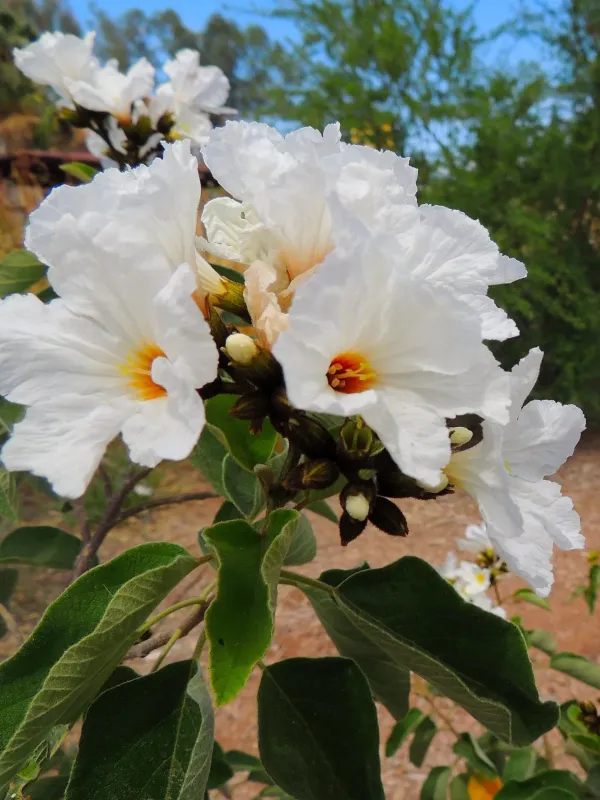
Cordia rotundifolia is a woody shrub belonging to the Boraginaceae family. Originally native to tropical regions of the Americas, this species is highly valued for its resilience in arid and semi-arid environments, displaying a significant tolerance for heat and sun exposure.
Successful cultivation requires well-draining soil types, specifically sandy or loamy textures that prevent water stagnation. Poor drainage is the most common cause of root-related failures, as the plant species is prone to fungal infections when kept in constantly damp environments.
In terms of climatic requirements, Cordia thrives in full sun conditions. It requires consistent warmth to maintain metabolic activity, typically favoring temperatures above 20 degrees Celsius. While it can withstand periods of drought once established, its growth rates significantly improve with moderate irrigation during the active flowering phase.
From an agricultural standpoint, the plant is primarily used for landscaping and urban greening. Its compact growth habit and aesthetic foliage make it an excellent choice for hedge formation, screening, and ornamental garden displays in frost-free regions.
Proper management involves periodic pruning to maintain the desired shape and promote healthier growth. By thinning the canopy, growers ensure adequate airflow, which is critical for reducing humidity levels around the inner branches of the shrub.
Main diseases and pests
The main threats to Cordia rotundifolia include various root rot pathogens and leaf-spotting fungi. These diseases typically manifest during periods of high atmospheric moisture, especially if the site has poor ventilation or inadequate soil permeability.
Pest populations such as scale insects, mealybugs, and spider mites can infest the plant, particularly in drought-stressed specimens. These pests deplete nutrients from the leaves, leading to chlorosis and reduced decorative appeal.
Integrated Pest Management (IPM) strategies are highly recommended for controlling populations. This includes utilizing natural predators, such as ladybeetles, and applying organic insecticidal soaps rather than broad-spectrum chemicals.
Sanitation practices, such as the removal of fallen leaf litter and infected plant material, help break the life cycle of many common pests. Keeping the surrounding area clean is a simple but effective way to prevent widespread outbreaks in garden settings.
Finally, nutritional deficiencies can also impact plant health. A balanced NPK fertilizer application, tailored to the specific needs of the local soil, ensures that the plant remains vigorous enough to resist natural stressors and environmental challenges.