
Cordia monoica
Cordia monoica
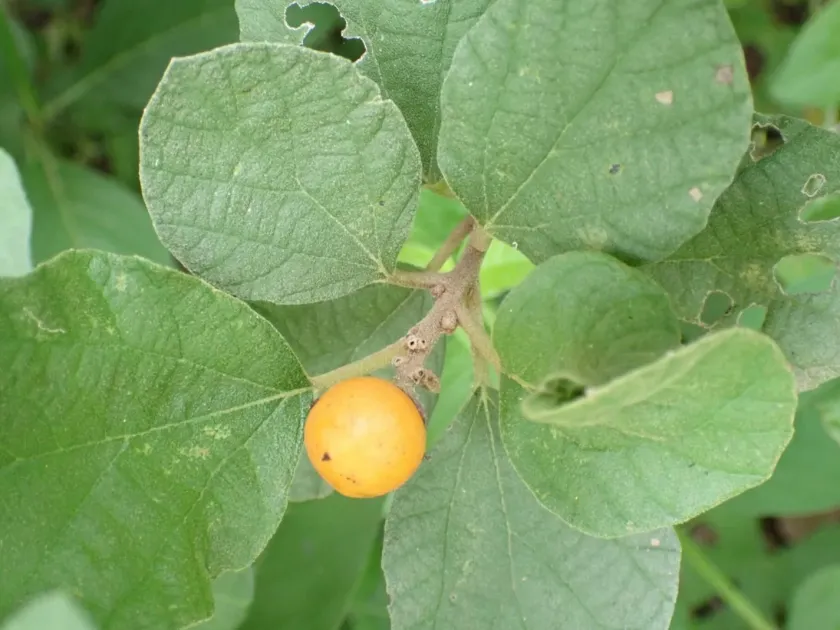
Description
Growing requirements
Cordia monoica is a woody plant belonging to the Boraginaceae family. Widely recognized in its native African habitats, this species typically thrives in savannah-type ecosystems where it develops into a robust tree or a dense shrub depending on environmental stressors.
Soil requirements for Cordia monoica include well-drained loamy or sandy substrates. It is essential to ensure that the planting site prevents waterlogging, as the species is sensitive to root hypoxia caused by excessive moisture retention in the soil.
Climatic preferences are strictly tropical, requiring high ambient temperatures and consistent solar exposure. The plant exhibits significant hardiness, allowing it to withstand prolonged dry seasons, though optimal biomass production is achieved with balanced rainfall or irrigation.
Agricultural management requires spacing strategies that prevent overcrowding. When managed in controlled plantations, pruning is often necessary to shape the canopy, which promotes better airflow and reduces the risk of moisture-related fungal infections within the foliage.
In terms of propagation, the species is typically started from seeds or nursery-raised seedlings. Successful establishment is highly dependent on initial soil preparation and weed suppression during the early stages of the crop's development cycle.
Main diseases and pests
Pathogenic threats are primarily linked to fungal infestations, such as root rot, which typically occur in poorly drained soils. Implementing proper site selection and irrigation management remains the primary defense strategy for farmers.
Common pests include sap-sucking insects like aphids and whiteflies. These organisms can weaken the plant by extracting nutrients from young leaves, necessitating integrated pest management approaches to maintain the vitality of the crop.