
Cordia megalantha
Cordia megalantha
Description
Growing requirements
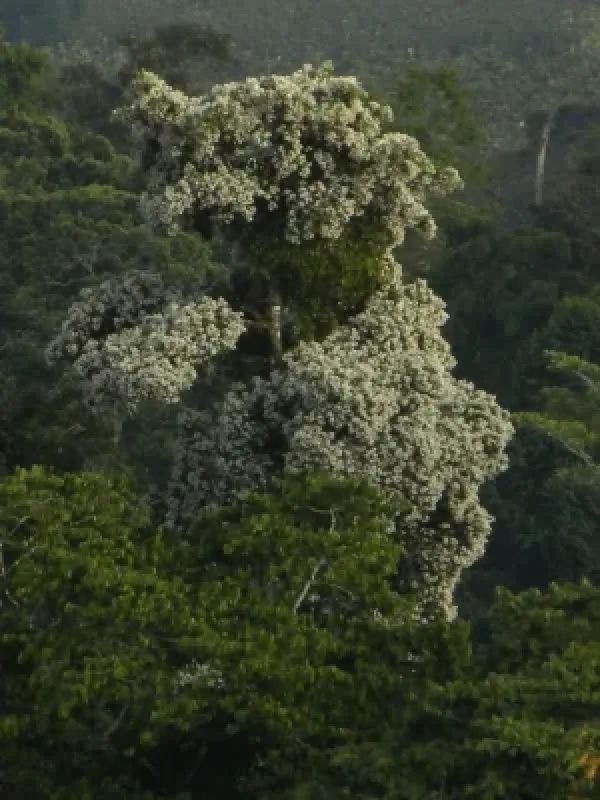
Cordia megalantha belongs to the Boraginaceae family and is recognized as a significant woody species native to the tropical forests of the Americas. This species is characterized by its robust growth habit, large foliage, and vibrant flowering displays that make it a notable botanical subject.
The plant originates from humid tropical environments where rainfall is consistent and temperatures remain high throughout the year. It thrives in ecological niches that provide high humidity, ensuring the development of its dense canopy and large, structural leaves.
Optimal growth requires well-drained, nutrient-rich soils with a slightly acidic to neutral pH level. As a light-demanding species, it prefers full sun exposure, although saplings may require partial shade in the early stages of development to survive under forest canopy conditions.
Agricultural management of this species involves maintaining adequate soil moisture levels, especially during dry spells. Regular weeding around the base of the plant is recommended to reduce competition for nutrients and water, allowing the tree to reach its full potential height and crown density.
The economic utility of Cordia megalantha is primarily associated with forestry and high-quality timber production. The wood is highly valued for its durability and aesthetic properties, making it suitable for woodworking, while the trees are also used in reforestation projects and tropical landscaping.
Main diseases and pests
Key threats to Cordia megalantha include fungal infections caused by poor soil drainage or inadequate air circulation within the canopy. Furthermore, the tree can be susceptible to various tropical insects that feed on its leaves and stems, necessitating integrated pest management strategies.