
Cordia grandicalyx
Cordia grandicalyx
Description
Growing requirements
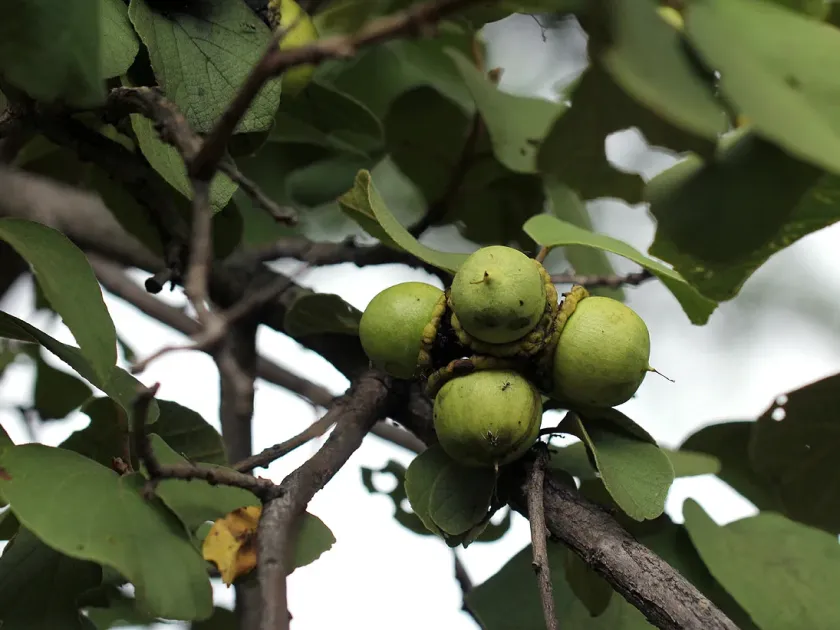
Cordia grandicalyx is a woody plant belonging to the Boraginaceae family. Native to the tropical regions of Africa, particularly found in Tanzania, it is a significant species known for its distinct botanical structure, specifically its large, prominent calyx which encases the developing fruit and flowers.
The plant thrives in well-drained soil types, preferring loamy or sandy loam textures that prevent waterlogging. It is inherently adapted to warm, tropical climates and requires high levels of solar radiation to maintain its physiological processes. Protection from strong winds is recommended during the early establishment phase to ensure straight trunk development.
In terms of agricultural management, irrigation is vital during the dry season, despite the tree's moderate drought tolerance. Providing balanced fertilization, specifically focusing on nitrogen and potassium during the growing phase, promotes healthy canopy expansion and robust root development. Soil pH should ideally be neutral or slightly acidic for optimal nutrient uptake.
Pruning is a standard practice in the management of Cordia grandicalyx, aimed at shaping the canopy and removing dead or diseased wood. This practice not only improves the tree's ornamental value but also facilitates better air circulation, which reduces the risk of fungal infections within the dense foliage common in this species.
Economically, the species is utilized for reforestation projects, soil erosion control in tropical landscapes, and as a source of local timber. It is also highly regarded in agroforestry systems for its ability to provide shade for secondary crops and for its role in maintaining soil structure through its complex, deep-reaching root architecture.
Main diseases and pests
Common threats to the crop include fungal pathogens that manifest as leaf spots when humidity remains consistently high. Pest outbreaks, such as scale insects or aphids, can occur in stressed plants, leading to reduced vitality. Integrated pest management, focusing on early detection and biological control, is the preferred method for maintaining the health of the trees.