
Cordia gerascanthus
Cordia gerascanthus
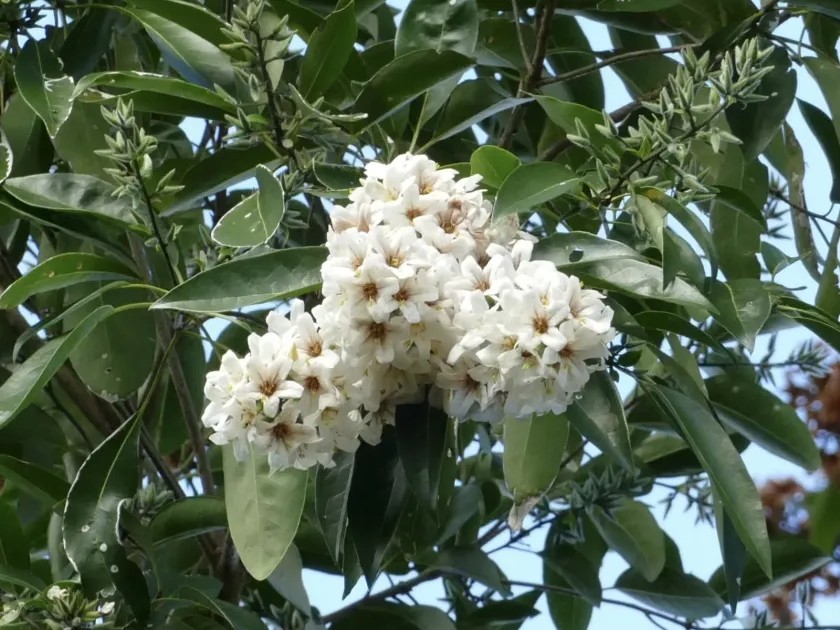
Description
Growing requirements
Cordia gerascanthus is a prominent species within the Boraginaceae family, widely recognized for its ecological and economic significance in tropical regions. It is native to the Caribbean, Central America, and parts of South America.
The tree thrives in tropical climates characterized by distinct dry seasons, which act as a trigger for its flowering phase. It requires full sunlight exposure to maintain a robust growth rate and proper canopy development.
Regarding soil, Cordia gerascanthus prefers well-drained, fertile soils, although it shows remarkable adaptability to various substrates. It is essential to avoid sites with poor drainage, which can lead to root system degradation.
Agronomic management involves selecting high-quality seedlings for plantation establishment. In the early stages of development, irrigation management is crucial to ensure deep rooting and overall plant vitality.
This species is highly valued for its durable and aesthetically pleasing timber. Known commercially in various regions as Spanish elm, it is widely utilized for high-end furniture, fine cabinetry, and architectural woodwork.
Main diseases and pests
Fungal pathogens represent the most significant threat to Cordia gerascanthus, especially in nurseries where humidity levels are often elevated. Ensuring proper air circulation is a primary preventive measure.
Wood-boring beetles can cause severe damage to stems and branches, potentially weakening the structural integrity of the tree. Regular field inspections are vital for the early detection of infestation signs.
Mealybugs and scale insects may target young foliage, potentially stunting tree growth if left untreated. Targeted biological controls are often preferred over broad-spectrum pesticides to preserve local biodiversity.
Nutrient deficiencies, particularly in rocky or highly leached soils, can make the trees more susceptible to secondary infections. Periodic soil testing and fertilization help maintain the trees' defensive mechanisms.
Strict hygiene practices during pruning operations prevent the introduction of pathogens into the vascular system of the tree. Proper tool sanitation is non-negotiable for professional forest management.