
Cordia cylindrostachya
Cordia cylindrostachya
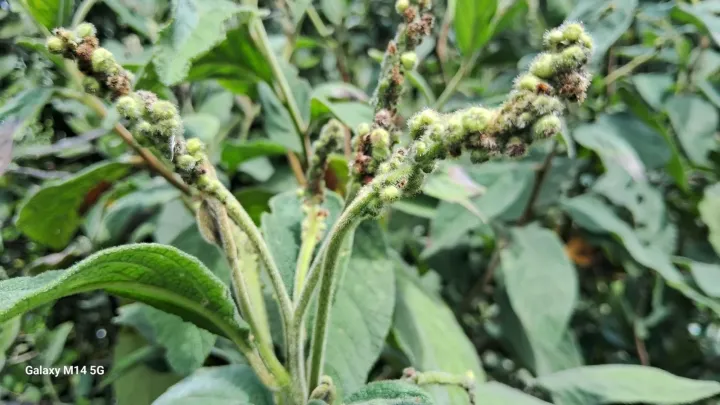
Description
Sowing dates
Cordia cylindrostachya belongs to the Boraginaceae family and thrives in tropical environments. Propagation is typically achieved through seeds, which should be sown in a well-draining, nutrient-rich substrate to ensure successful germination.
The optimal sowing time aligns with the onset of the rainy season in its native habitat. For controlled cultivation, maintaining a temperature range of 22–28 degrees Celsius is essential to break seed dormancy and promote uniform growth.
Seedlings require careful handling during the transplanting phase to avoid damaging the root system. Providing bright, indirect light immediately after emergence helps build strong, healthy stems and prevents etiolation in young plants.
Vegetative propagation via cuttings is a viable alternative for maintaining desirable traits. Cuttings should be taken from mature, healthy wood and placed in a moist medium with high humidity to facilitate root development within a few weeks.
Proper spacing between plants is crucial to ensure adequate airflow and light penetration. When sowing in rows, a distance of at least one meter is recommended to allow for the plant's natural bush-like growth habit.
Growing requirements
This species requires high levels of solar radiation to flourish. Placing the plants in locations with full sun exposure maximizes growth rates and stimulates the production of the characteristic cylindrical flower spikes.
Soil requirements focus on fertility and drainage. A slightly acidic to neutral pH is ideal for nutrient uptake. Incorporating organic compost helps maintain soil structure and provides a slow-release source of necessary macro-nutrients.
Watering management should be tailored to the seasonal growth cycles. During the active growing period, the soil should be kept consistently moist but never waterlogged to protect the roots from hypoxia and fungal pathogens.
The plant is highly sensitive to cold temperatures and cannot tolerate frost. In cooler climates, cultivation must be confined to greenhouses or interior spaces where temperature stability can be strictly maintained throughout the year.
Regular fertilization with a balanced NPK fertilizer supports vegetative vigor. Micronutrients such as iron and magnesium are also important, particularly in container-grown specimens to prevent yellowing of the leaves.
Main diseases and pests
Spider mites are common pests that thrive in dry environments. Monitoring the underside of leaves for fine webbing is essential for early detection, and frequent misting can help deter these pests from establishing colonies.
Fungal diseases, including powdery mildew, can occur if humidity levels are too high combined with stagnant air. Improving ventilation around the canopy is the most effective cultural method to prevent these infections.
Aphids often target young shoots and flower buds, causing stunted growth. Integrated pest management, including the use of neem oil or soft soap sprays, is effective in managing these outbreaks without harming the plant.
Root rot remains a significant threat caused by over-irrigation. Using pots with adequate drainage holes and avoiding heavy, clay-rich soils will significantly reduce the risk of root-related illnesses.
General sanitation, including the prompt removal of dead or decaying foliage, helps prevent the build-up of pathogens. Clean tools and healthy planting materials form the foundation of a successful crop protection strategy.