
Cordia curassavica
Cordia curassavica
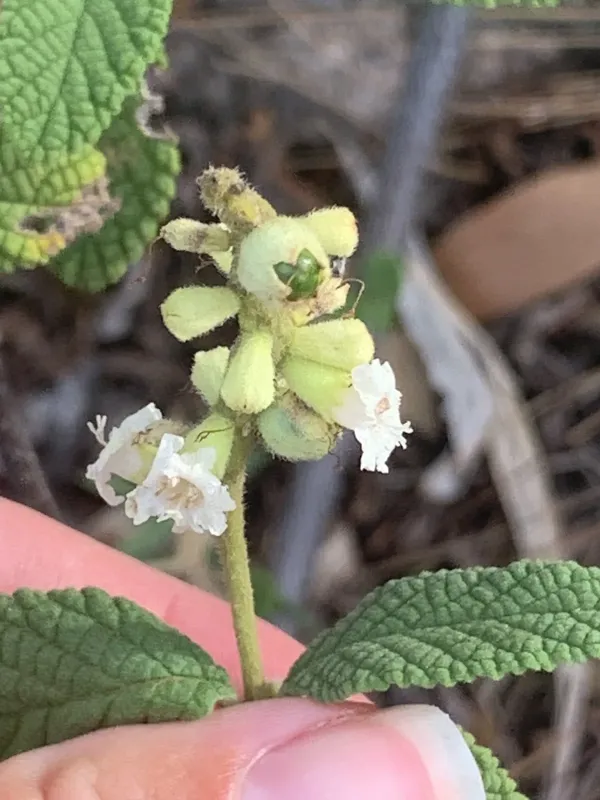
Description
Growing requirements
Cordia curassavica is a perennial shrub belonging to the Boraginaceae family. It is widely recognized in its native tropical range for its resilient nature and dense, woody growth habit which can reach up to three meters in height.
The plant originates from the tropical regions of the Caribbean and South America. It thrives in frost-free climates where temperatures remain consistently warm throughout the year, allowing for continuous metabolic activity.
Agricultural requirements for this crop include full sun exposure, which is essential for maximizing the density of its foliage and the production of secondary metabolites. It prefers well-drained, sandy-loam soils with moderate fertility levels.
Water management is critical; while the plant exhibits some drought tolerance, supplemental irrigation during the dry season significantly increases total biomass production. Efficient drainage is necessary to prevent root rot.
Economically, this species is cultivated primarily for its medicinal properties and as a source of nectar for honey bees. The leaves are frequently harvested for use in herbal infusions and topical anti-inflammatory treatments.
Main diseases and pests
The primary health threats to Cordia curassavica include fungal pathogens that cause leaf spotting, especially when plants are grown in areas with poor airflow and high humidity.
Common pests include spider mites and various species of scale insects. These pests feed on the sap of young shoots, leading to stunted growth and reduced leaf quality if left unmanaged.
Crop protection strategies prioritize cultural practices such as selective pruning to enhance light penetration and airflow, which naturally discourages pest outbreaks.
In cases where chemical intervention is required, selective, low-toxicity insecticides or biological control agents are recommended to ensure the safety of the harvested medicinal plant material.
Monitoring for signs of early infestation is vital; regular field scouting allows for targeted applications of treatments, minimizing the overall need for widespread chemical spraying.