
Cordia americana
Cordia americana
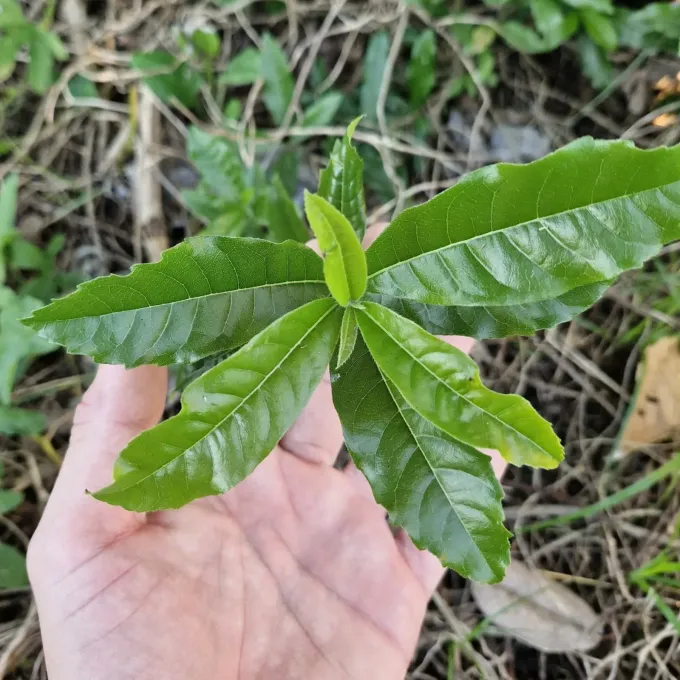
Description
Growing requirements
Cordia americana is a prominent woody species belonging to the Boraginaceae family, widely recognized for its ecological importance and timber value in South America. The tree is known for its robust habit and adaptability to various tropical environments, serving as a key component in regional silviculture.
The native range of this species extends across several South American countries, including Argentina, Paraguay, and Brazil. It thrives in regions with moderate to high rainfall and requires fertile, well-draining soil to achieve its full potential, often found in mixed forest stands or forest edges.
Cultivation requirements focus on providing adequate sunlight and sufficient space for canopy development. While Cordia americana is essentially a tropical plant, it exhibits notable resilience to varying seasonal temperatures, which allows for successful integration into diverse land management systems.
Botanically, the species is characterized by its simple, rough-textured leaves and attractive flowers that emerge in clusters. The tree produces fleshy fruits, commonly identified as drupes, which provide a vital nutritional resource for local wildlife, supporting the surrounding ecosystem's health.
From an agricultural and forestry perspective, Cordia americana is highly valued for its dense, durable wood. This material is widely sought after for high-end carpentry, construction, and ornamental use, making it an economically significant crop for regions aiming at sustainable forest resource development.
Main diseases and pests
Major threats to the health of Cordia americana stands include attacks by wood-boring insects and pests that target the foliage during the early stages of development. Regular plantation inspections are essential to prevent widespread infestations that could compromise the quality of the timber.
Pathogens such as fungal leaf spots can occur under conditions of high humidity and poor ventilation. Maintaining a healthy balance in soil moisture and conducting regular pruning are considered the best agricultural practices to mitigate disease risks and promote the longevity of the individual trees.