
African cordia
Cordia africana
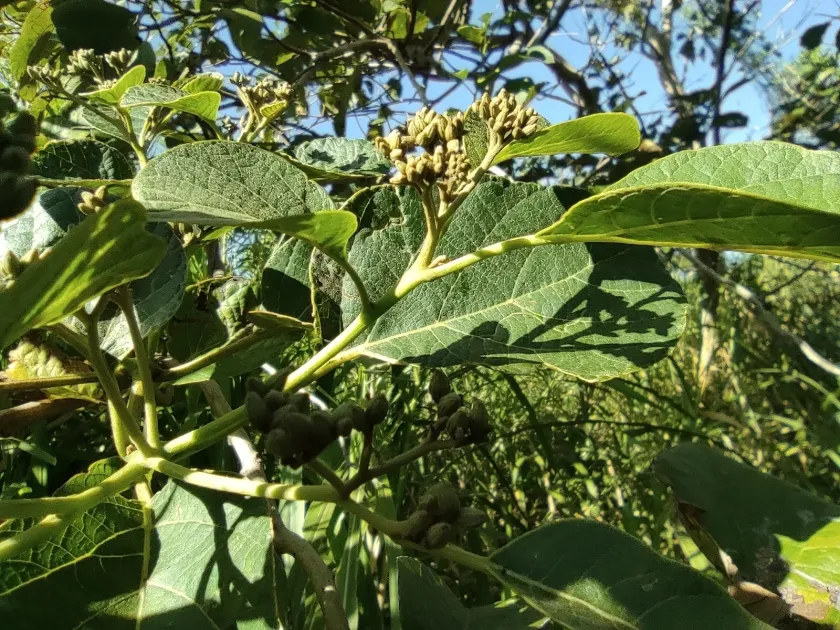
Description
Sowing dates
Propagation of African cordia is primarily done through seeds in specialized nurseries. The seeds have a relatively high germination rate, though soaking them in water for 24 hours is recommended to improve uniformity.
Sowing should take place at the start of the rainy season to provide the seedlings with enough moisture to establish their root systems. Transplanting to the final site is best conducted after 12–24 months of nursery care.
Space the trees appropriately to allow for sufficient crown expansion and straight trunk development. In plantation settings, a spacing of 3 by 3 meters is standard to ensure healthy growth rates.
Young seedlings require partial shade during the first few months to prevent dehydration. Consistent irrigation is vital during this early stage to maximize the survival rate of the saplings.
As a fast-growing species, African cordia is highly suitable for reforestation projects. With proper soil preparation, the saplings show vigorous growth, establishing themselves quickly in degraded landscapes.
Growing requirements
African cordia belongs to the Boraginaceae family and thrives in tropical and subtropical climates. It is highly adaptable but performs best in regions with distinct wet and dry seasons.
The species prefers deep, well-drained loamy soils but can tolerate a variety of soil types. A neutral to slightly acidic pH is ideal for nutrient uptake and overall health.
Full sunlight is necessary for optimal photosynthesis and timber quality. While mature trees are drought-tolerant, supplemental watering during the peak growing season significantly increases wood production.
The tree grows best at altitudes between 500 and 2000 meters above sea level. These elevations provide the temperate conditions required for the species to develop its characteristic wood density.
Applying mulch around the base of the trees helps conserve moisture and prevents competitive weed growth. This cultural practice is essential during the first three years of the tree's life.
Yield
The primary economic value of African cordia is its high-quality timber, which is highly sought after by furniture makers for its strength and rich grain patterns. It is also used for household tools and carvings.
The tree serves as an excellent nectar source for honeybees, supporting local apiaries. Additionally, the leaves are often harvested as fodder for livestock, providing a valuable secondary resource.
Harvestable wood yields depend on site quality and age, with commercial timber production cycles typically lasting 20 to 30 years. Regular pruning is necessary to ensure long, knot-free logs.
African cordia is frequently utilized in agroforestry for windbreaks and soil erosion control on hillsides. Its extensive root system stabilizes the soil, making it a sustainable choice for land management.
Under intensive management, biomass yields are significantly higher than in natural stands. Selective thinning can be used to favor the fastest-growing individuals for maximum timber volume.
Main diseases and pests
Fungal infections caused by stagnant water or poor air circulation are common threats to young plantations. Maintaining proper spacing and removing diseased debris are key preventative measures.
Stem borers can cause significant damage to the wood quality, creating galleries that depreciate the timber value. Regular monitoring and early detection are essential for maintaining a healthy stand.
Leaf-feeding insects may retard growth in young saplings, though biological controls are usually sufficient to manage these populations. Avoid chemical pesticides to maintain the ecological balance.
Root rot often occurs in soils with poor drainage. Selecting sites with good elevation or implementing drainage channels significantly reduces the risk of root-related diseases.
Animal browsing is a critical issue during the establishment phase. Protecting young trees with individual tree guards is a cost-effective strategy to ensure the survival of the plantation.
Harvesting
Harvesting African cordia requires technical precision to ensure the longevity of the timber. Proper drying techniques are crucial to prevent splitting and warping after the tree is felled.
Harvest timing is dictated by the desired diameter of the logs, ensuring the wood has reached sufficient density. Sustainable harvesting practices often involve leaving the rootstocks to allow for coppice regeneration.
After felling, wood should be treated with preservatives to protect it from termite attacks during storage. Storing the timber under covered, ventilated conditions is essential for quality maintenance.
Modern logging equipment allows for cleaner cuts, reducing wastage and increasing the efficiency of the harvest. This professional approach maximizes the profit potential of the plantation.
Waste from the harvest, including branches and bark, can be processed into mulch or biomass energy. This ensures a zero-waste approach to the production cycle of African cordia.