
Shaggy mane
Coprinus comatus mull ex fv
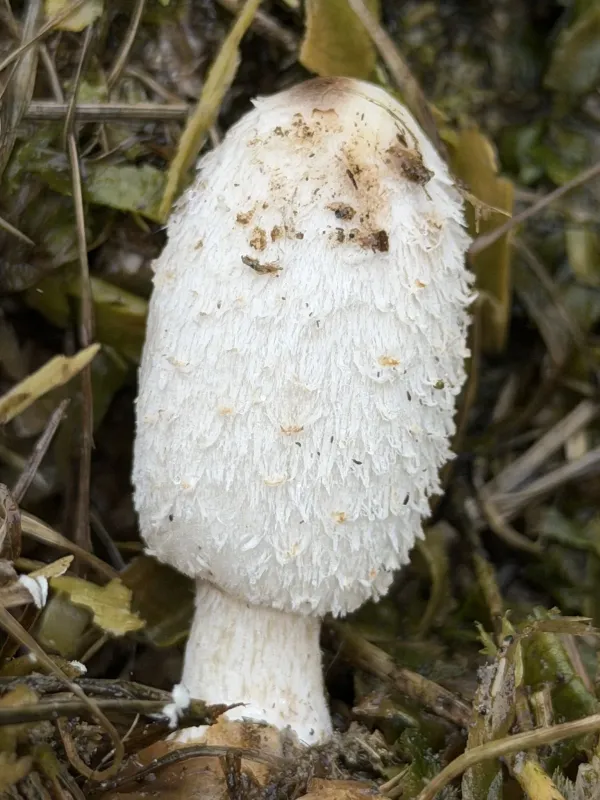
Description
Sowing dates
The Shaggy mane (Coprinus comatus) belongs to the Agaricaceae family. It is a rapid-growing saprotrophic fungus that thrives on organic-rich decaying matter.
For cultivation, grain spawn is inoculated into a pasteurized substrate composed of straw, manure, or agricultural waste supplemented with nitrogen sources.
The optimal time for inoculation is when indoor environmental control can be maintained, ensuring temperatures stay consistent throughout the colonization phase.
The incubation period typically lasts two to three weeks, during which the mycelium completely colonizes the substrate before casing is applied.
Applying a casing layer of peat and limestone is crucial, as it provides the necessary moisture and biological signals to trigger the formation of sporocarps.
Growing requirements
Shaggy mane requires high relative humidity, maintained consistently between 85% and 90% to prevent the drying of delicate mushroom pins.
The ideal temperature range for fruit body development is between 15°C and 20°C, with minimal fluctuations to ensure stable growth cycles.
Substrate pH should be kept near neutral (7.0–7.5). Proper alkalinity prevents the dominance of competitive molds and favors the Shaggy mane mycelium.
Adequate ventilation is essential to keep carbon dioxide levels low, as high concentrations can cause deformed, spindly stalks and poor-quality caps.
While mushrooms grow in the dark, diffuse lighting can assist in the structural development and overall vigor of the fruiting bodies during maturation.
Yield
Under intensive indoor farming conditions, yields can reach 15 to 20 kilograms per square meter of cultivation space across several harvest waves.
Yield efficiency is significantly improved by managing the hydration of the casing layer after each harvest flush to encourage renewed growth.
The addition of nutrient-dense supplements during the substrate preparation phase directly influences the size and weight of the final mushrooms.
Productivity is highest during the second and third flushes, provided the mycelial block remains healthy and free from competing pathogens.
Farmers must monitor growth rates closely, as the mushrooms expand rapidly and reach peak maturity within a very short operational window.
Main diseases and pests
The primary threats include competitive molds like Trichoderma, which thrive in high-humidity environments and can overwhelm the Shaggy mane culture.
Fungal gnats and mites are the most common pests, as their larvae burrow into the mushrooms, rendering them unsuitable for commercial sale.
Bacterial blotch can occur if the surface remains excessively wet or if ventilation is insufficient, leading to rapid deterioration of the crop.
Strict sanitation protocols, including the thorough pasteurization of substrates, are the most effective way to prevent these agricultural threats.
Regular inspection of the substrate blocks is necessary to isolate and remove any contaminated areas before they spread to the rest of the crop.
Harvesting
Harvesting must be performed daily because Shaggy mane mushrooms are prone to autolysis, rapidly turning into a black, inky fluid once they reach maturity.
Mushrooms should be harvested while the caps are still tightly closed against the stems and the gills are pure white, ensuring maximum freshness.
Post-harvest, the product requires immediate cooling to temperatures between 2°C and 4°C to slow down natural enzymatic degradation processes.
Shelf life is extremely short, usually limited to 24 hours, making rapid distribution chains or immediate processing essential for this crop.
Proper packaging should allow for air exchange to prevent moisture accumulation, which can accelerate the breakdown of the mushroom tissue.