
Conostomium natalense
Conostomium natalense
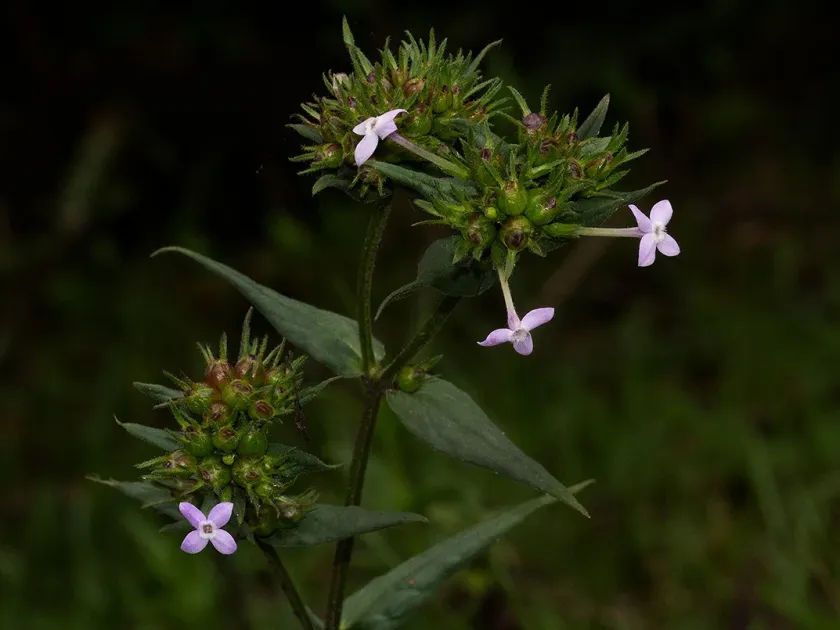
Description
Growing requirements
Conostomium natalense is a perennial herbaceous plant belonging to the Rubiaceae family. Native to tropical Africa, it exhibits distinct ecological adaptations characteristic of its natural habitat in bushlands and open tropical areas.
For successful growth, this plant requires well-drained, fertile soil with a slightly acidic to neutral pH level. Proper aeration is crucial, as the root system is sensitive to waterlogging, which is a common issue in artificial cultivation settings.
The climate requirements include consistent warm temperatures, typically consistent with tropical environments. It does not tolerate frost, necessitating protected cultivation or indoor maintenance during colder seasons in non-tropical climates.
Botanically, it features opposite leaves and tubular flowers typical of many Rubiaceae representatives. The plant's growth pattern is generally compact, making it suitable for specialized environments or controlled botanical displays.
Economic and agricultural utilization remains specialized. While not a large-scale commercial crop, it is of interest to botanical research for its potential chemical properties and its value in ornamental plant collections.
Main diseases and pests
The primary threats to Conostomium natalense include fungal infections, particularly root rot, triggered by inadequate drainage or over-irrigation. Maintaining a balance in soil moisture is essential for plant health.
Spider mites are the most prevalent pests, often thriving in dry air conditions. Their presence can severely impact leaf health and overall vigor, requiring timely intervention with biological or soft chemical treatments.
Aphids can also pose a risk, primarily targeting young shoots. Regular monitoring and physical removal or appropriate spraying are effective management strategies to keep the plant free from these common pests.
Sanitation practices are critical in preventing the spread of diseases. Removing any chlorotic or damaged leaves prevents the establishment of fungal spores that can quickly compromise the plant's structural integrity.
Implementing a proper irrigation schedule is key to minimizing stress. Stressed plants are significantly more susceptible to both pests and diseases, emphasizing the importance of consistent agronomic care.