
Conocephalum conicum
Conocephalum conicum
Description
Growing requirements
Conocephalum conicum, commonly known as the Great Scented Liverwort, is a notable species within the Conocephalaceae family. This thalloid liverwort is widely distributed across the temperate regions of the Northern Hemisphere, often found in humid and shaded environments.
The plant thrives in habitats characterized by high atmospheric moisture and consistent water supply. Common sites for colonization include damp riverbanks, rocky crevices near waterfalls, and wet woodland soil where light levels are low.
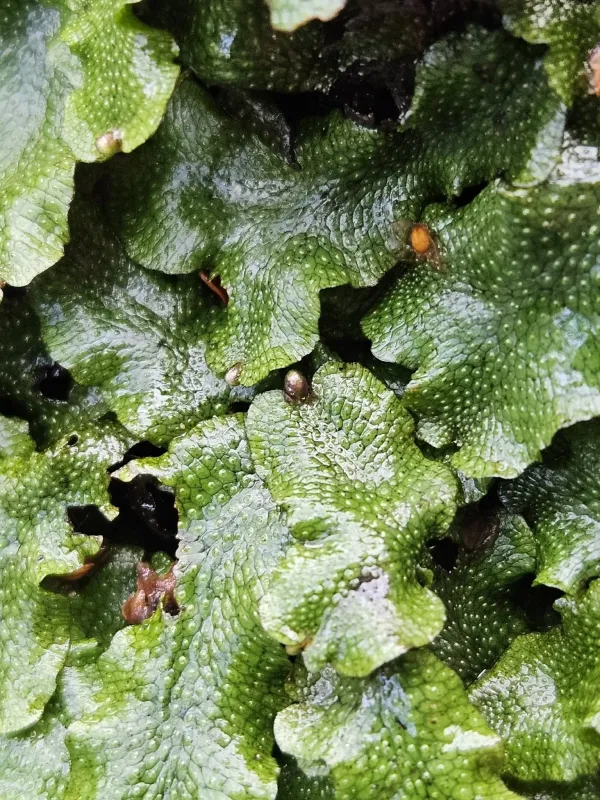
Botanically, it features large, dichotomously branched thalli with a distinct hexagonal patterned surface, which makes it easily identifiable. When crushed, the tissue releases a pleasant, aromatic scent, distinguishing it from other similar bryophyte species.
Cultivation requirements are strict: the plant necessitates constant moisture and protection from direct sunlight, which causes rapid desiccation. In an artificial setting, it performs best in high-humidity terrariums or specialized paludariums.
While not a traditional agricultural crop, its study is vital for bryology and ecological monitoring. Some traditional medicinal uses have been documented, highlighting its historical significance in local ethnobotany.
Main diseases and pests
Environmental degradation is the primary threat to Conocephalum conicum populations. The draining of wetlands and the destruction of riparian forest zones lead to the immediate decline of its natural habitat.
Water pollution serves as a critical stressor. As a bryophyte, it absorbs nutrients and pollutants directly through its surface, making it highly sensitive to heavy metals, industrial runoff, and agricultural chemicals.
Pests such as slugs and snails are the most common herbivores that graze on the succulent thalli. Their presence can significantly reduce biomass in small patches, though natural predators usually maintain a balance.
Disease outbreaks are typically linked to stagnant conditions and poor air circulation, leading to fungal rot. Proper ventilation and flow of fresh, clean water are essential for preventing such issues in controlled environments.
As an indicator species, its absence from previously occupied sites often signals a shift in local ecological health or a drop in water quality, necessitating proactive conservation measures.