
Mirabilis jalapa
Mirabilis jalapa L.
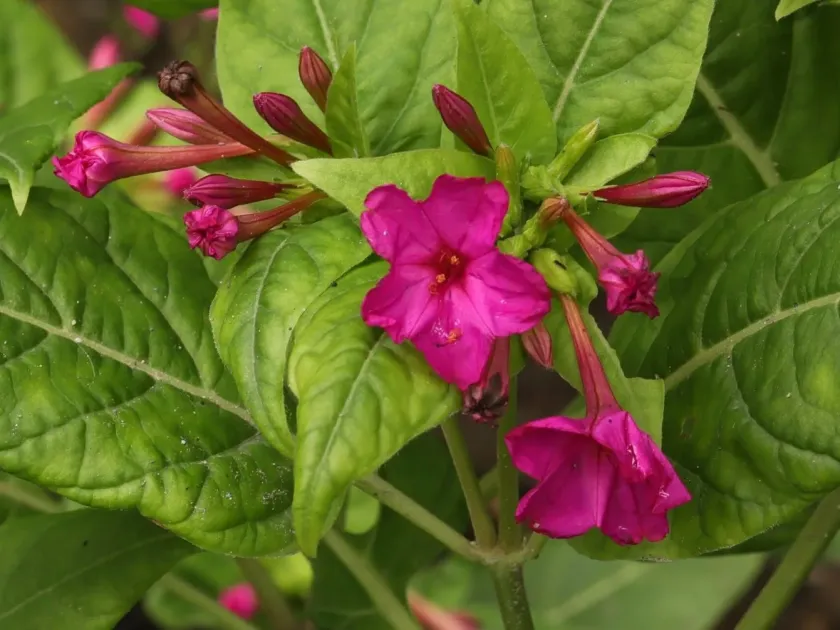
Description
Sowing dates
Mirabilis jalapa, commonly known as the four o'clock flower, is a perennial herbaceous plant belonging to the Nyctaginaceae family. It is widely cultivated globally for its distinct floral characteristics.
In regions with frost, seeds are sown indoors in early spring. Using biodegradable pots is highly recommended to minimize root disturbance during the transplantation phase later in the season.
Seed germination typically occurs within 10 to 14 days when temperatures are maintained between 18 and 22 degrees Celsius. Constant soil moisture is crucial during this germination period.
Transplanting into the permanent field site should be done only after all risks of late spring frosts have passed. The soil should be well-prepared with organic matter prior to planting.
Planting density is a key management factor. Spacing plants 50 centimeters apart ensures adequate room for the root tubers to develop and allows for proper airflow between the foliage.
Growing requirements
The crop thrives in full sun exposure. While it can tolerate partial shade, maximum flowering intensity and growth vigor are only achieved in sites receiving at least 6-8 hours of direct sunlight.
Mirabilis jalapa requires deep, fertile, and well-drained soil. It performs best in loamy soil structures that prevent water accumulation while retaining enough nutrients for sustained growth.
Water management is vital. Although established plants demonstrate significant drought tolerance due to their fleshy tuberous roots, consistent moisture during the flowering stage improves plant health.
Fertilization regimes should be based on soil testing. A balanced NPK fertilizer applied during the early vegetative stage is usually sufficient to support the plant's nutritional needs.
Temperature tolerance is limited. While the plant can handle high summer temperatures, it remains highly sensitive to freezing, necessitating the extraction of tubers in cold climates.
Main diseases and pests
Aphids are the primary insect pests affecting the foliage of Mirabilis jalapa. Frequent scouting is recommended to apply soaps or insecticides before populations reach economic damage thresholds.
Fungal diseases, including root rot, are common when soil drainage is insufficient. Improving soil structure and avoiding over-irrigation are the best preventative measures for growers.
Powdery mildew can occur during periods of high humidity and poor ventilation. Keeping the leaf surface as dry as possible and thinning out dense foliage helps in disease mitigation.
Spider mites may occasionally infest plants during hot and dry spells. Increasing the local humidity around the plants and using appropriate acaricides helps to manage these outbreaks.
- Crop rotation to reduce soil-borne pathogen accumulation.
- Sanitation practices, including the removal of dead or dying plant debris.
- Use of resistant cultivars if available in the specific region.