
Cometes abyssinica
Cometes abyssinica
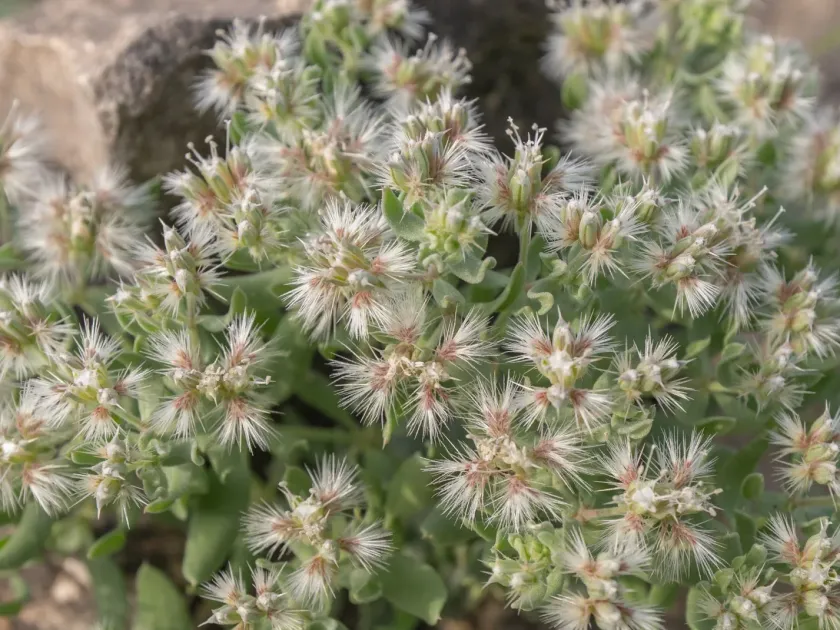
Description
Sowing dates
Cometes abyssinica is a notable herbaceous plant belonging to the Caryophyllaceae family. Known for its adaptation to specific ecological niches, it represents a subject of interest in specialized agricultural research.
The sowing process requires warm soil temperatures, as the plant is highly sensitive to cold, which can significantly inhibit germination and early plant development.
Seeds should be sown at a shallow depth to ensure sufficient light exposure, which is a prerequisite for triggering the germination process in this species.
Maintaining an appropriate sowing density is essential for optimal canopy development, preventing overcrowding which often leads to reduced air circulation and vigor.
Early-stage irrigation management is crucial to establish a healthy root system, which serves as the foundation for the plant's resilience during later developmental stages.
Growing requirements
This crop thrives in well-drained, sandy or light-loamy soils. Good aeration is vital, as the root system is highly susceptible to hypoxia if water stagnates in the soil profile.
Cometes abyssinica is classified as a sun-loving species. Full exposure to sunlight is required for the plant to reach its full physiological potential and reproductive maturity.
The ideal temperature range for active growth falls between 20 and 30 degrees Celsius. Deviations from these thermal conditions can lead to stunted growth and failure to produce viable seeds.
Water requirements are characterized by a preference for steady, moderate moisture levels rather than extreme saturation, reflecting its native arid-environment origins.
Nutrient management should focus on maintaining a balanced soil fertility profile, ensuring the plant receives necessary minerals without excessive nitrogen, which can lead to lush but weak growth.
Main diseases and pests
The primary threat to the stability of Cometes abyssinica stands is the incidence of fungal pathogens, particularly root rots triggered by high soil humidity.
Sucking insects, including aphids and spider mites, pose a risk during warmer months, potentially damaging the foliage and reducing overall plant vitality.
Effective weed management is mandatory, as the species does not compete well with vigorous, fast-growing weeds during its initial establishment phase.
Implementing a strict crop rotation schedule helps mitigate the risk of soil-borne diseases that can accumulate over successive planting cycles.
Monitoring for signs of pest pressure should be performed regularly to ensure early intervention using environmentally compatible plant protection methods.